

























































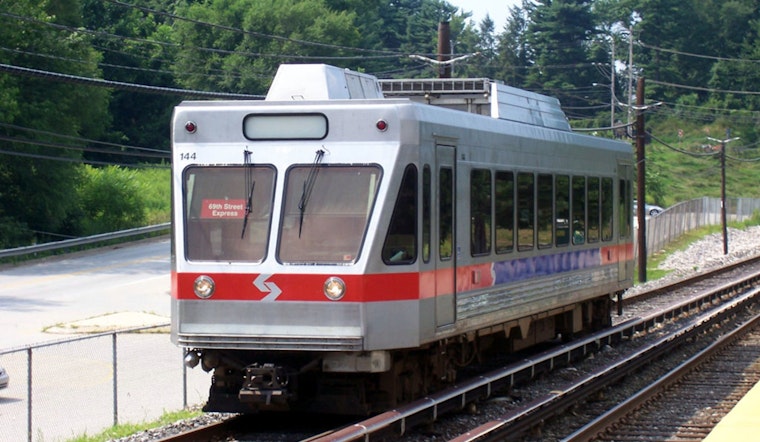
The ongoing budget stalemate in Pennsylvania has breached its deadline by a month, creating a critical situation for SEPTA, the state's mass transit system, which is already warning of potential service cuts and fare hikes. Governor Josh Shapiro, along with legislators from both parties, continues to push for progress, but agreements on key issues, including mass transit funding, remain elusive. "We all understand the issues that need to be resolved in order to reach a final agreement," Shapiro said, as reported by the Penn Capital-Star.
Amidst this budgetary deadlock, House Minority Leader Jesse Topper warned of the dire consequences of not reaching a sustainable compromise. "If we don’t get some of the policy initiative changes in terms of parental empowerment and school choice reform, in terms of entitlement reform and benefit integrity, economic growth and changing our regulatory policy in Pennsylvania, then in three years, we’re going to be looking at either massive ... cuts that will significantly affect a lot of people in their everyday lives, or a massive tax increase, which nobody’s going to want to see," Topper articulated in an interview with Newstalk 103.7 FM.
Republican state senators, including Joe Picozzi from Philadelphia, have recently introduced a bill aiming to heighten SEPTA's accountability without extending any new financial support. The bill mandates biennial performance reports and system improvements if performance criteria are not met. SEPTA General Manager Scott Sauer has expressed support for the legislation, considering much of it already aligns with their operations. "The state is the primary funder of SEPTA, so any additional oversight that they want to bring, we think it’s good for everyone," SEPTA spokesperson Andrew Busch stated to WHYY News.
However, transit advocates are less optimistic, viewing the accountability bill as a potential distraction from securing the urgent funding SEPTA requires. Stephen Bronskill, coalition manager for Transit Forward Philadelphia, emphasized the immediacy of the financial need: "We support initiatives to improve safety and reliability on the system, but the best way to do that is to invest in a system that runs efficiently." As reported by WHYY News, Bronskill and other advocates stress the importance of returning to budget negotiations with a focus on funding.
With an Aug. 24 deadline for service cuts looming, Governor Shapiro has been publicly calling on the state senate, particularly Sen. Picozzi, to pass the necessary transit funding. Shapiro's words during an appearance in West Philadelphia were stark: "If that person lives in Northeast Philadelphia, call Senator Picozzi, who’s a Republican in the State Senate, and tell him to go back to Harrisburg and vote to pass transit funding the way the House Democrats di," he advised in a statement captured by NBC10 Philadelphia. Picozzi, in response to Shapiro's comments, reiterated his commitment to improving SEPTA through funding "and accountability for results on fare evasion, safety and cleanliness."




