

























































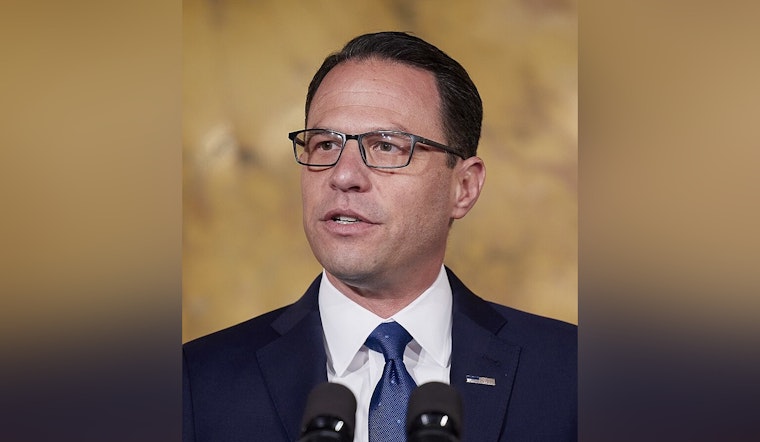
As the debate over transit funding intensifies, Pennsylvania Governor Josh Shapiro and Lieutenant Governor Austin Davis have showcased a display of unity, stepping up their campaign to secure critical state funding for public transit systems throughout the Commonwealth. Echoing the needs of a transportation network that serves as the backbone for many Pennsylvanians, both officials directed firm pleas towards the state Senate, underlining transit as not just an amenity, but a necessity for daily life. "Every day, hundreds of thousands of Pennsylvanians rely on SEPTA to get to work, take their kids to school, and keep their lives moving," Governor Shapiro said, according to a Commonwealth of Pennsylvania's press release on his official website.
Despite a saga of legislative inaction, the call for a sustainable revenue stream continues. Both Shapiro and Davis exerted pressure on the state Senate to rise to the occasion, and adopt measures ensuring the vitality of transit systems like SEPTA and PRT that stare down the barrel of fare hikes, service cuts, should the Senate remain on the sidelines. Governor Shapiro’s budget proposal channels an ambitious $292 million into new mass transit funding—growing, to $1.5 billion across five years, and covering a network of 52 systems statewide. A stark shift from previous years’ short-term fixes, Shapiro's plan has garnered applause for its scope and foresight, as nearly one million state residents rely on these transit services daily. Lieutenant Governor Davis likewise lobbied, "It’s time for Senate Republicans to come back to Harrisburg, do the job they were elected to do, and keep Pennsylvania moving," he implored during his talks with Pittsburgh Regional Transit as per the Commonwealth of Pennsylvania's same press release.
The urgency of the situation was punctuated by the numbers: Mass transit supports over 39,000 jobs and annually generates $5.4 billion in economic activity within the state. The ripple effects of a robust transport system echo far, beyond just the urbanite’s commute or the rural resident’s visit to town, but to the entire Commonwealth's economic stability. Transitioning from a patchwork of emergency funds, the Governor's current fiscal strategies include $380 million for roads and bridges, significantly improving transportation infrastructure already lauded as a benchmark for states nationwide.
Grassroots support reflects a populace in concert with the Governor’s vision. Public endorsements proliferate, recognizing the synergy between mass transit, economic prosperity, and societal equality. It is evident that the transit funding crisis transcends political divisions, unifying voices that herald the importance of a fortuitous intervention by the state Senate. The shaping of the future of Pennsylvania’s mass transit systems finds itself at a critical juncture, where deferred decisions may indeed equate to denied opportunities for the Commonwealth's denizens. According to the Commonwealth of Pennsylvania's same release, last year saw an improvisation of $80 million for transit in the budget when the General Assembly failed to act.





