

























































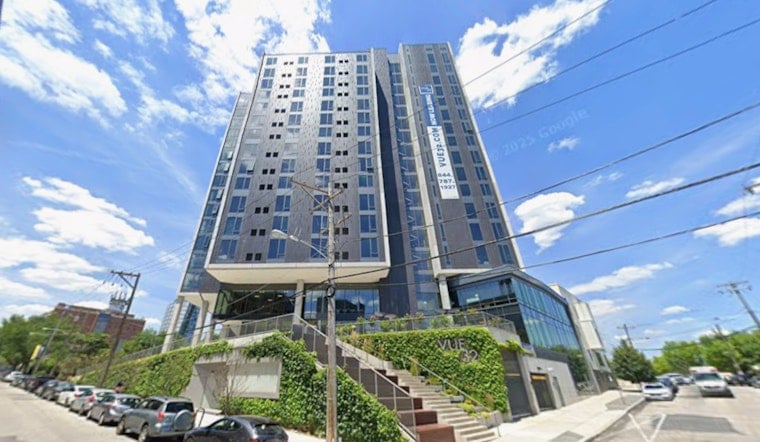
A Philadelphia renter is hauling a major corporate landlord and a rental software giant into court, accusing them of quietly teaming up on what tenants pay at two city apartment buildings.
In a new class-action complaint, tenant Yiyao Liu says Willow Bridge Property Company used RealPage Inc.’s algorithmic rent-setting tools to coordinate prices at Vue 32 in University City and Rittenhouse Row in Center City. The suit claims Willow Bridge leaned on RealPage’s revenue-management products to gather nonpublic data from competing landlords and spit out recommended rents, in a move that Liu argues runs straight into a city law that bans price coordination for residential rentals.
Filed July 6 in the Philadelphia Court of Common Pleas and first reported by WHYY, the complaint targets two Willow Bridge-managed buildings that together hold 244 apartments. Liu is asking the court to certify a class, block the alleged conduct, and award attorneys’ fees and damages available under the city ordinance. WHYY notes that Willow Bridge did not respond to interview requests and that RealPage declined to comment on pending litigation.
What the complaint says is going on
According to the court complaint, Philadelphia Code § 9-813 makes it unlawful to “engage in price coordination,” including by using software that pulls in nonpublic competitor information and then suggests rental prices. The filing alleges Willow Bridge “used, subscribed to, contracted for, or paid for” RealPage’s rent-setting services, which the complaint says collect confidential data from multiple landlords and generate algorithmic pricing recommendations across properties.
Liu asks for three times the value of actual damages or statutory damages of $2,000 per violation, along with an order blocking the use of RealPage-style tools at issue and payment of attorneys’ fees, all as provided under the city law.
DOJ action and industry fallout
The local lawsuit arrives on the heels of federal antitrust moves against the same basic playbook. The U.S. Department of Justice announced a proposed settlement with RealPage on Nov. 24, 2025, that would bar the company from using competitors’ nonpublic data in its ongoing operations and force product changes, according to the Justice Department.
On July 6, 2026, federal enforcers also filed a proposed final judgment with Willow Bridge that would limit the landlord’s access to and use of competitively sensitive information and impose compliance requirements, according to the Justice Department. In an online statement, RealPage called the federal agreement a milestone for the company and its customers.
What it could mean for renters
If Philadelphia courts enforce the local law the way Liu is asking, affected renters could seek treble damages or the $2,000 statutory amount for each violation, plus an injunction limiting the use of RealPage-style pricing software at the named properties, according to the legal filings and industry coverage. Housing advocates and industry watchers say the case, believed to be among the first to test the city’s ordinance, could nudge other landlords to rethink algorithmic pricing tools or open the door to more local lawsuits.
Observers are watching to see whether a city-level ruling, layered on top of federal enforcement, speeds up changes in how rents are set across the broader market, per reporting by Multifamily Dive.
What happens next
The case now heads into pretrial proceedings in the Court of Common Pleas, where Liu is seeking class certification and a jury trial, according to court papers. The Justice Department’s proposed settlements remain subject to public comment and judicial approval, and any final orders in those federal cases could reshape how landlords and software vendors operate nationwide.
Reporters note that Willow Bridge did not respond to requests for comment and that RealPage declined to weigh in on the active litigation. Both the Philadelphia suit and the federal actions are expected to generate a steady stream of new filings and public statements in the months ahead as tenants, landlords, and regulators all try to figure out how much power rental algorithms should really have.



