

























































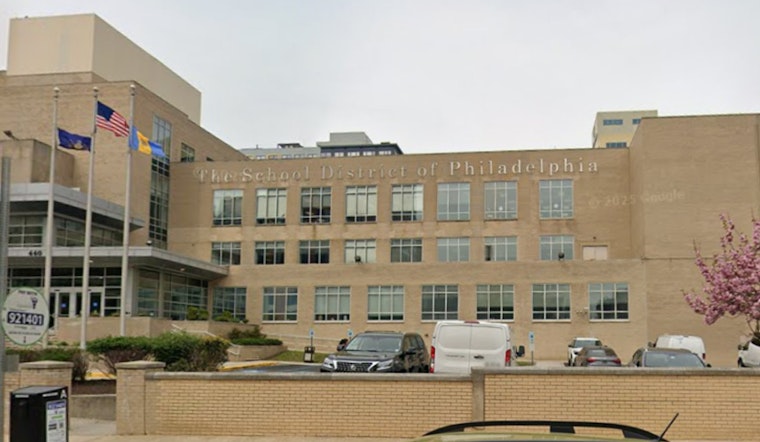
As students prepare to head back to school, the School District of Philadelphia (SDP) faces the complex balance of financial sources, relying on increased local and state funding to make up for a significant loss in once-available federal pandemic relief. According to the City Controller Christy Brady's "August Municipal Money Matters" report, the SDP will operate on a $4.6 billion budget for the upcoming year, a subtle uptick of half a percent more than the previous year.
The rise can be attributed to nearly $80 million in added local revenue from the city's Real Estate Tax, and a nearly $100 million increase in state funding. However, this boon is tempered by a $148 million decline in one-time federal supports, as reported by controller.phila.gov. “The loss in one-time federal pandemic relief underscores the ongoing challenge of replacing temporary federal support with sustainable local and state revenue,” Brady emphasized in the findings.
Compared to Fiscal Year 2024, local and state contributions to the SDP have surged by 12% and 21%, respectively. On the flip side, federal contributions plummeted from $551 million to a paltry $16 million in that same time frame. The School District has long been in a unique bind; it is the only one in Pennsylvania without the power to collect its own taxes. Instead, 99% of the budget is bankrolled by city, and state funds.
Last year saw the Philadelphia City Council opting to increase the SDP's millage rate by 1%, shifting the divide of property taxes to 56% for the SDP, and dropping the city's share to 44%, a change made after nine years of consistent tax rates. Brady warned of potential fiscal potholes: "If the budget stalemate in Harrisburg forces the school district to borrow funds to open the school year, the associated borrowing costs could offset some of this year’s anticipated revenue gains." She also noted that the state has a history of not reimbursing districts for borrowing costs during previous deadlocks, according to the same press release. Looking ahead, there is talk of another bump in the city's Real Estate Tax millage rate by Fiscal Year 2030, a strategic move targeted at bolstering long-term financial planning and settling debt obligations.




