

























































The Saint Louis Zoo has welcomed four new furry faces after a quartet of endangered Mexican spider monkeys—Chico, Oxomátli, Xóchitl, and Chula—were intercepted by federal authorities from smugglers at the U.S. southern border in 2024. In a raw example of the grim and illicit exotic pet trade, these monkeys, snatched from their natural habitats and apparently destined for illegal sale, represent a stark reminder of wildlife trafficking's cruelty.
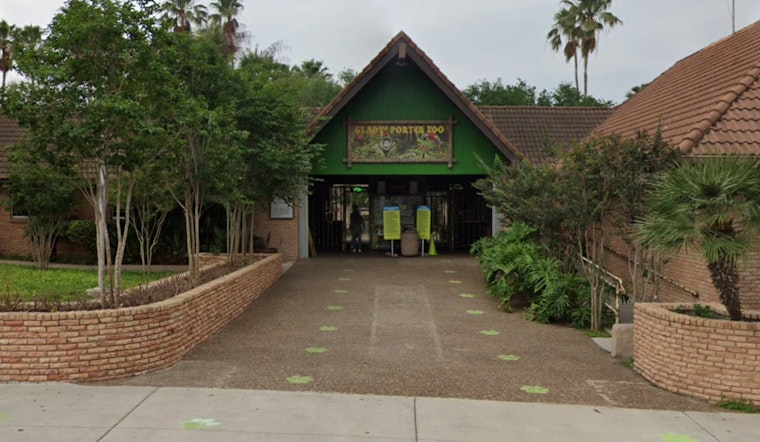
Initially taken in by the Gladys Porter Zoo in Brownsville, Texas, for urgent medical care, the young primates each grew up without their mothers due to the harsh and unforgiving circumstances of their capture. As reported by Spectrum Local News, Regina Mossotti, Vice President of Animal Care at the Saint Louis Zoo, stressed the gravity of the situation: "This has to stop. These monkeys remind us that the sale of primates as pets must end once and for all." These infants' uprooting from their natural environment underscores not only the endemic issue of illegal wildlife trade but also the broader implications for endangered species and their ecosystems.
All four monkeys arrived at the Saint Louis Zoo in April 2025 and according to a Riverbender.com report, they were gradually introduced to an adult female spider monkey named Patty within the Primate Canopy Trails exhibit. Despite a rocky start due to the absence of their natural familial bonds, the zoo staff has seen encouraging progress in their integration and overall well-being.
However, the legacy of their traumatic beginnings persists. One monkey, unsettlingly, still carries a piece of birdshot in its body, a brutal souvenir from their darker days. In a statement obtained by First Alert 4, Cinnamon Williams, General Curator at Saint Louis Zoo, reflected on their recovery journey: "With everything these monkeys have gone through at such a young age, they will require specialized care and attention for some time." The road to recuperation for these primates is paved with patience and dedicated care from the zoo's team.




