

























































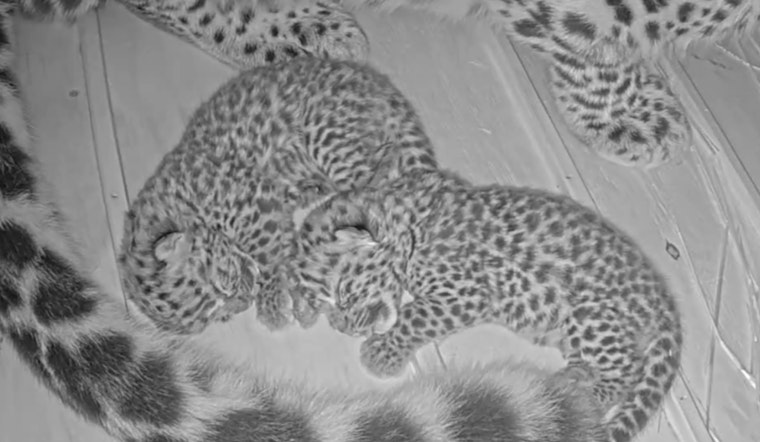
The Saint Louis Zoo has announced the birth of two Amur leopard cubs, injecting a glimmer of hope for the continued existence of one of the planet's most endangered big cats. With an estimated 100 Amur leopards remaining in the wild, this event is more than a cause for celebration—it's a critical milestone in the efforts to preserve a species on the brink of extinction. According to FOX2Now, Julie Hartell-DeNardo, the Kevin Beckmann Curator of Carnivores at the Saint Louis Zoo, expressed the significance of the births: "The birth of these cubs is not just a celebration for Saint Louis, but a victory for the future of one of the world's rarest and most remarkable animals.”
The cubs were born on August 13, to seven-year-old leopards Dot and Samson. This is not the first-time for the leopard pair, as they had previously welcomed another litter. For the coming months, the new family will remain out of the public eye, mirroring the natural rearing processes where cubs in the wild remain hidden until they are mature enough to venture out with their mother. The RiverBender noted that the zoo's animal care team is keeping a watchful eye on the maternal den through a camera setup, ensuring the cubs' initial critical months of development are proceeding well.
Dot, who is now an experienced mother, is said to be doing an excellent job with her young. The leopards' arrival to the Saint Louis Zoo, in 2020 and 2021 from other Association of Zoos and Aquariums (AZA) zoos, was part of a coordinated effort to maintain genetic diversity within the captive Amur leopard population. Their pairing was based on a breeding recommendation by the AZA’s Amur Leopard Species Survival Plan, which aims to ensure a genetically healthy population of these rare cats in North America. FirstAlert4 reports that Samson is currently visible to zoo guests in his habitat at Big Cat Country while Dot cares for their two new additions.
The cubs’ public debut date has not yet been announced, but the zoo will conduct their first health check in the coming weeks. This will include determining their sexes and selecting names. The Saint Louis Zoo reports that these steps are part of its ongoing care and conservation efforts for the endangered Amur leopard.



