

























































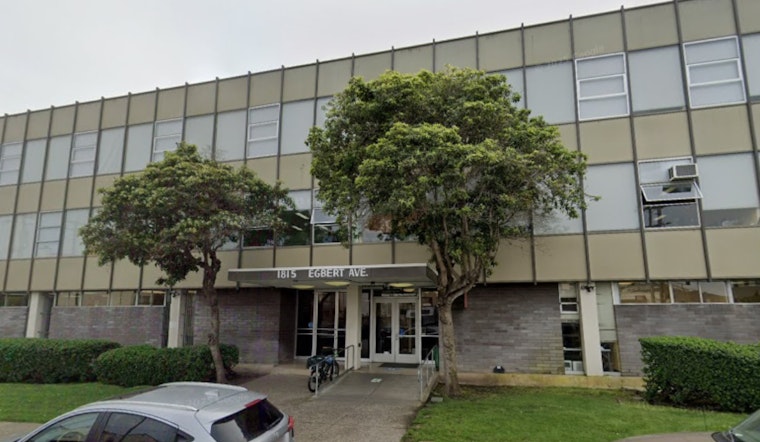
In a controversial move by the San Francisco Housing Authority, residents illegally occupying apartments in a Potrero Hill public housing complex have been offered Airbnb gift cards to vacate their homes, a gesture met with skepticism amid the city's affordable housing crisis. According to an ABC7 News report, tenant advocates have voiced concerns over the adequacy and ethics of the offer, particularly given the vulnerability and purported exploitation of these "unleased residents."
As detailed by The San Francisco Chronicle, some residents, including Tania Guevara, an immigrant living with her son in the complex, received offers starting at $5,000 in Airbnb credit or $4,500 in cash to leave their homes, but the amount decreases with each day they remain; a condition that adds pressure but does not address the underlying challenge of finding long-term housing in the city. Attorney Ora Prochovnick, representing some of these residents, criticized the offers as "less than useless," indicating the sum would not suffice for more than a fleeting stay in the pricey San Francisco rental market. Meanwhile, progress on the site's redevelopment for newer housing options languishes.
The redevelopment at the center of this controversy, dubbed HOPE SF, aims to replace outdated public housing units with modern, affordable, and market-rate homes—a project plagued by delays and legal entanglements involving these residents without leases. While officially leased residents have been provided options for relocation, the fate of those without formal agreements remains contentious. Ora Prochovnick and other tenant advocates assert that fair treatment should extend to all current occupants, expressing that everyone displaced should be entitled to viable alternative housing solutions, arguing that the currently offered incentives are insufficient to achieve this goal.
This predicament underscores the larger issue of affordable housing in San Francisco; it's a saga where rising costs and limited availability collide with the realities of those on the margins, for whom a $5,000 Airbnb credit appears a drop in the ocean when placed against the backdrop of the city's exorbitant living expenses. Lawyer Sara Shortt, from the Housing Rights Committee, questioned the Housing Authority's approach, which seems disjointed and far from the robust, conciliatory strategy one would hope for in rehousing individuals and families in transition, she told The San Francisco Chronicle. Prochovnick conveyed a similar sentiment, lamenting the lack of successful collaborations to relocate longtime residents, including those most vulnerable.





