

























































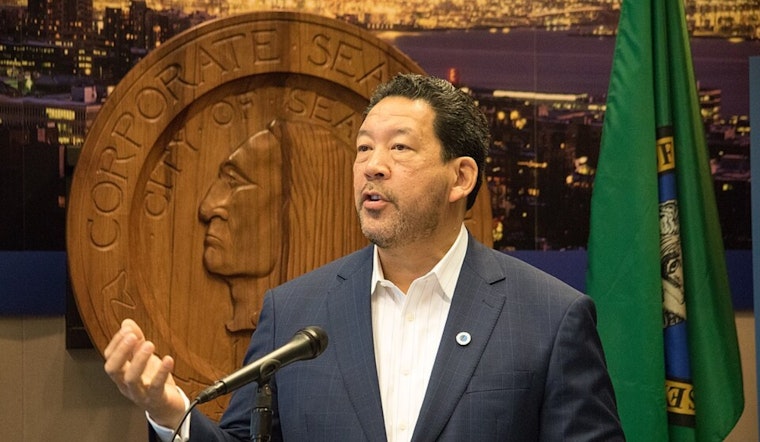
Seattle's small businesses may soon breathe easier, as Mayor Bruce Harrell and City Council President Sara Nelson put forth proposals streamlining the permitting process. The changes aim to slash red tape and fees that often burden those looking to fill vacant commercial spaces. In a push to bolster the local economy, these legislative changes are designed to expedite retail occupancy so businesses can get their doors open without unnecessary holdups.
The proposals, first reported by Seattle City Council's website, include amendments to the 2021 Seattle Existing Building Code (SEBC), which would ease the process especially for smaller establishments with a gross area of 7,000 square feet or less, these businesses wouldn't have to meet the current strict standards for substantial alterations which can include significant structural changes, a switch to more hazardous occupancy or if a building's been left unoccupied for over two years.
The legislation clarifies certain rules and aligns Seattle's permitting process with state laws. An example comes from Nelson's statement to the Seattle City Council's website, "Our two bills will exempt most projects undertaken by small businesses from many permitting requirements, which just get in the way," and she emphasized that this aligns the city with state law to ensure predictability and defined timelines for permit reviews.
With these updates, the hope is to stimulate economic activity throughout Seattle, reactivating storefronts across neighborhood business districts, as the current code's hefty requirements have been seen as a major impediment. James Graham, Principal/Founder of Graham Baba Architects, expressed excitement at the proposed legislation, telling the Seattle City Council's website, "As drafted, this proposal can dramatically reduce the permitting requirements for many projects, including storefront re-activation downtown."
According to the proposed changes, street-level entrepreneurship in Seattle is poised for an uptick, with over 50 small storefronts potentially seeing a renaissance by 2030 thanks to reduced regulatory delays and costs.




_(49195858936).jpg)