

























































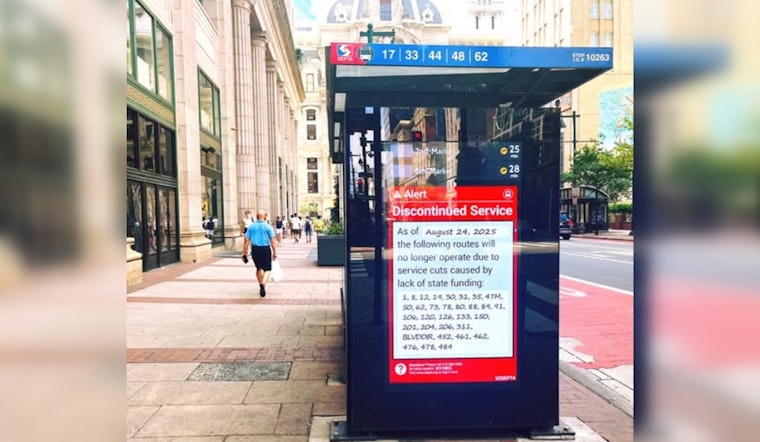
SEPTA has announced significant service reductions and fare increases set to kick in at the end of August. According to a social media post from the transportation authority, starting August 24, Philadelphia may see the end of 32 bus routes, shortened service on 16 routes, and a reduced schedule on 63 others. The cutbacks are accompanied by a 20% reduction in trips on all rail services, including the ditching of special services like Sports Express.
The economic implications of these changes are profound. In a statement that acknowledges the burden these changes will place on Philly's commuters, SEPTA says, "We understand that these measures will cause great hardship for our riders and for the city and southeastern region as a whole." Furthermore, on September 1, all SEPTA riders can expect to shell out more for their commutes, with a fare hike averaging 21.5%. The new base fare for bus and metro trips will increase to $2.90, and regional rail fares will follow suit.
SEPTA's financial woes stem from longstanding challenges in funding public transportation in the region. The authority has alerted its ridership that there is still time to influence this grim trajectory. "There is still time to make your voice heard," urges the social media dispatch. SEPTA encourages patrons to contact Governor Shapiro and PA state legislators to support new funding for public transit, underscoring that funding approvals could potentially avoid the service cuts and maintain current service levels.
With the clock ticking towards the August 24 schedule change, the urgency of public outcry cannot be overstated. Many Philadelphia commuters who rely on SEPTA's expansive network are facing a daunting future wherein their daily travels could become significantly more complex and costly. These proposed changes, born out of necessity yet delivering a blow to accessibility, encapsulate the perennial struggle to keep public transport both operational and affordable.





