

























































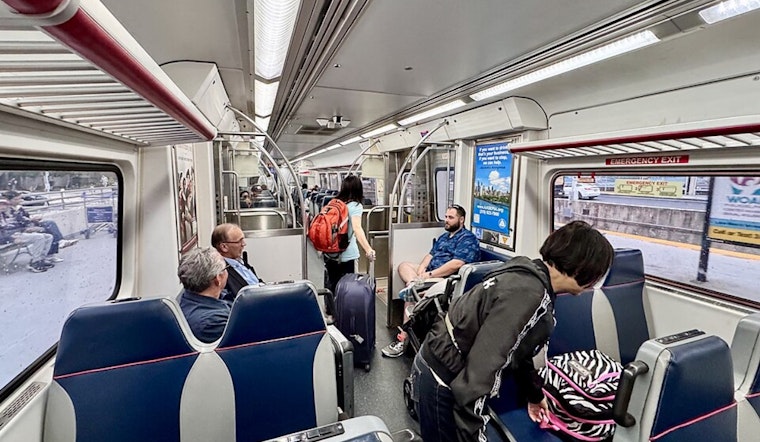
Philadelphia's bustling streets may soon feel the effects of a transit squeeze. SEPTA, the lifeline for many in the City of Brotherly Love, has sounded the alarm over potential service reductions on its busiest route, the L. A recent social media post from SEPTA has unveiled plans for a 20% service reduction on the L route unless new funding materializes from Harrisburg.
Effective August 24, commuters are set to experience an increase in wait times, with peak headways shifting from every six minutes to eight. The midday service follows suit, chugging from a swift six-minute schedule to a more dawdling eight-minute interval. SEPTA paints this picture of the impending transit alteration, if the capital doesn’t soon become a station for action, extending the necessary resources to keep the transit authority chugging along at full capacity.
The implications of these changes could ripple throughout the city, touching everyone from the daily commuter to the occasional rider. SEPTA isn't just about delays; it's forecasting a deeper disruption in the urban flow, a signal of how transit underscores city life's rhythm. This isn't merely about time lost; it is about the essential mobility that fuels Philadelphia's societal engine.




