

























































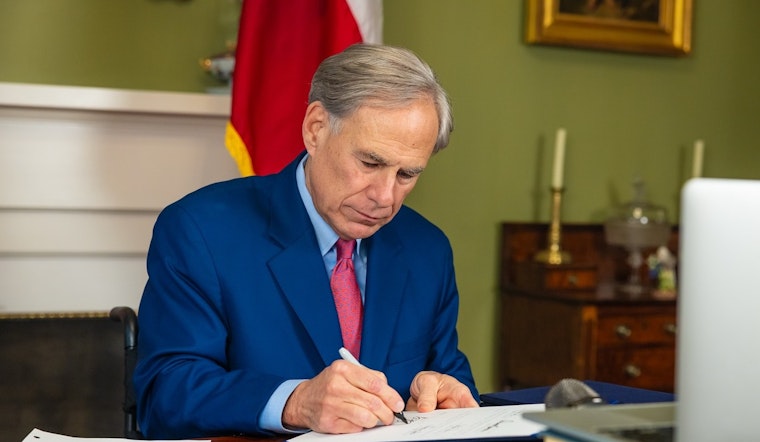
In an unprecedented move, Texas Governor Greg Abbott has directed the Texas Department of Public Safety to detain and return absent Democratic House members to the state Capitol. The Office of the Texas Governor confirmed this directive yesterday, aiming to address a legislative standstill after House Democrats left the state to block a vote on a bill they deem restrictive to voting rights. Abbott criticized the Democrats for evading their responsibilities, asserting, "Texas House Democrats abandoned their duty to Texans," and accusing them of preventing the passing of vital legislation for flood victims and property tax relief.
The order follows the decision by Speaker Dustin Burrows to issue a call of the House and warrants to forcibly get members to attend the chamber. The governor is now taking steps to ensure compliance with this call. Abbott elaborated on the situation, stating, "To ensure compliance, I ordered the Texas Department of Public Safety to locate, arrest, and return to the House chamber any member who has abandoned their duty to Texans." The governor's office expressed that the measure will stay in place until every absent Democrat House member is accounted for at the state Capitol.
The Democrats' departure was an attempt to deny the majority party the quorum needed to vote on the bill at hand, which critics say would negatively impact voter access in the state. Their exit from Texas has put not only the controversial legislation but also other governmental processes on hold, drawing attention from across the political spectrum nationwide.
Discussions regarding the actions of the absent legislators and the governor's response are ongoing. While supporters of the governor's order might argue it is a necessary step to maintain legislative function, opponents view it as an overreach of executive power. The use of state law enforcement to address a political dispute is indeed a rare sight, aimed to quite literally bring democratically elected officials back to the negotiation table—or in this case, the House floor.
This controversial development is a stark contrast to typical legislative deadlock resolutions and has sparked intense debate among Texas lawmakers and the public. As the situation unfolds, all eyes are on the Lone Star State as it navigates these politically turbulent waters.





