

























































Recent developments in Washington, D.C.'s law enforcement have stirred controversy and provoked sharp criticism from local politicians. In an unexpected move, Jeanine Pirro, the recently appointed U.S. Attorney for the District of Columbia by President Trump, declared she would not uphold gun laws that criminalize the carrying of rifles or shotguns within the city limits. This marks a stark departure from established policy aimed at curbing firearm-related violence in the nation's capital.
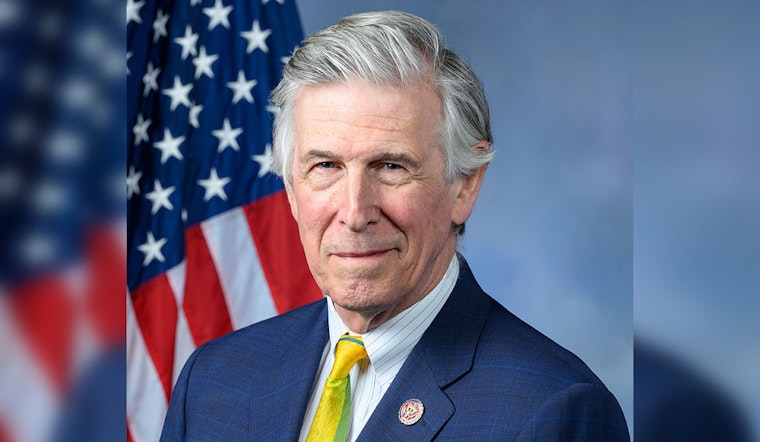
Democratic Rep. Don Beyer, serving a Northern Virginia district that overlooks the Potomac from the District, did not mask his disapproval. "What better evidence could you ask for that Trump doesn’t care about preventing crime in D.C. than an outright refusal to enforce gun laws? This is exactly the behavior we should expect from a president who put criminals back on the street after January 6th, including some who carried firearms there illegally," Beyer stated. His comments highlight a growing concern that the administration's decision could embolden those with intentions to carry and use firearms without consequence.
According to a statement from Beyer's office, the congressman, along with D.C. Congresswoman Eleanor Holmes Norton, intends to reintroduce legislation that would require the use of body cameras by all federal officers. This initiative aligns with his past legislative efforts, aimed at promoting accountability and transparency within law enforcement agencies, especially during mass protests and civil disturbances.
Beyond body cameras, Beyer was instrumental in pushing for a 2020 law requiring the display of identifying information by federal officers - a measure designed to uphold accountability amidst the turbulent protests seen in D.C. Beyer's commitment to law enforcement transparency extends to supporting legislation that would prohibit ICE agents from masking their faces during arrests and necessitate highly visible, distinct uniforms during operations. These measures paint a stark contrast to the recent decision by the U.S. Attorney's office, perceived by Beyer and others as a tacit endorsement of unlawful weapon carrying and a potential increase in street violence.
The debate over gun legislation enforcement and the push for increased police accountability continues to heat up in D.C., with figures like Beyer at the forefront advocating for policy changes. The responses from various branches of government may set significant precedents on how gun laws are enforced in urban areas and how law enforcement conducts itself amid scrutiny and calls for reform.




