

























































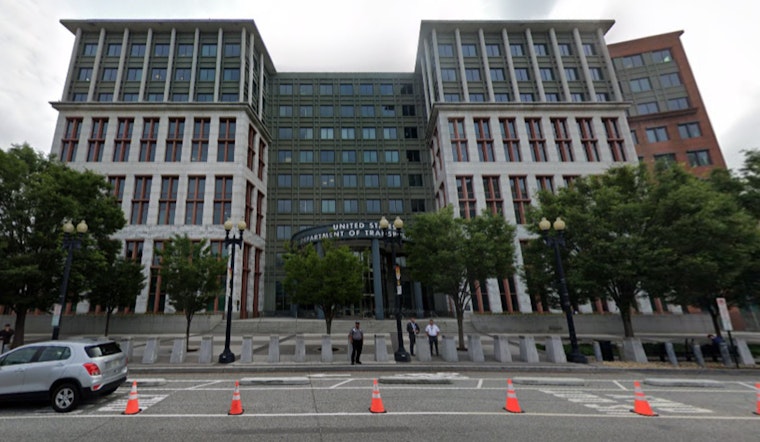
U.S. Transportation Secretary Sean P. Duffy has approved a $3.89 billion loan, the largest ever issued to a single borrower under the Transportation Infrastructure Finance and Innovation Act through the Build America Bureau. The funding will support the State Route 400 Express Lanes Project in Georgia, which will add lanes along a 16-mile stretch from Metropolitan Atlanta Rapid Transit Authority’s North Springs Station to north of McFarland Parkway. An additional $75 million from Peach Partners, in coordination with the Georgia Department of Transportation and the State Road and Tollway Authority, will fund bus rapid transit improvements. Secretary Duffy said, “this loan is another investment in getting America building again,” according to the U.S. Department of Transportation.
Morteza Farajian, Ph.D., Executive Director of the Build America Bureau, emphasized the importance of public-private partnerships in U.S. infrastructure projects, noting Georgia’s use of federal low-interest financing alongside private sector investments. He stated, “Georgia’s innovative approach has allowed them to leverage our low-interest financing with the developer’s investments to provide more benefits for the Atlanta community through this project and other projects that will be funded because of this project,” as reported by the U.S. Department of Transportation.
The State Route 400 project includes plans for a future bus rapid transit system operated by Metropolitan Atlanta Rapid Transit Authority that will use the express lanes to improve public transportation in Atlanta. Farajian said, “This partnership is a perfect example of how, when the public and private sectors work together, we can provide communities with the most effective and cost-efficient solutions while reducing the need for public funding.” The collaboration is expected to reduce taxpayer costs and help complete major infrastructure projects more quickly, as stated by the U.S. Department of Transportation.





