

























































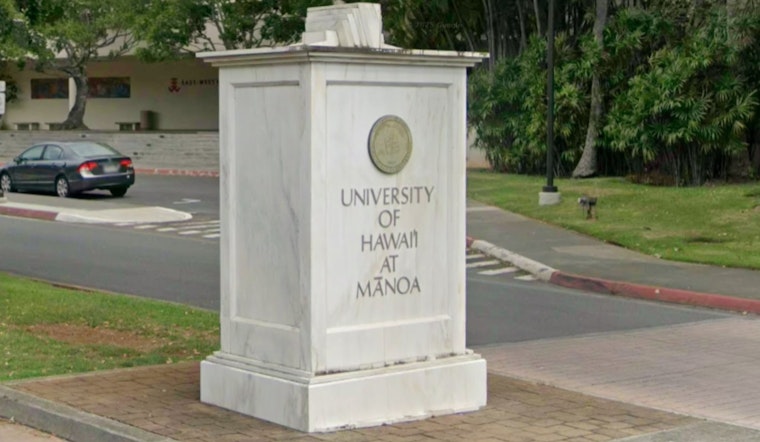
Deep waters near Hawaiʻi are acidifying faster than previously known, affecting all measured indicators of ocean acidification. A 35-year study by the University of Hawaiʻi at Mānoa, published in the Journal of Geophysical Research: Oceans, found these changes in deeper waters. Lead author Lucie Knor said, "We expected some indicators of ocean acidification to be changing more rapidly below the surface, because that was what some global studies have previously discovered, but we were very surprised that this was true for every single ocean acidification indicator," according to University of Hawaiʻi. The increase is linked to fresher, colder waters, which could affect marine organisms like vertically migrating zooplankton.
Rapid changes in the ocean are not only affecting marine life but may also impact the ocean’s role in absorbing carbon dioxide. Christopher Sabine, a co-author of the study, said, "Increased acidification at lower depths may also affect the ocean’s ability to effectively absorb carbon dioxide," suggesting that higher CO₂ levels in the atmosphere could reduce the ocean’s capacity as a carbon sink, as reported by Hawai'i Public Radio.
A study at Station ALOHA, 60 miles north of Oʻahu, found that subsurface waters, influenced by local and distant conditions, are experiencing increased ocean acidification. Researchers are studying how human-made carbon emissions affect ocean chemistry and which layers are most impacted. Sabine said, "We illustrate that regional-scale changes in source water chemistry and circulation are substantial drivers of the subsurface intensification of ocean acidification around Hawaiʻi," as mentioned by University of Hawaiʻi. The ocean absorbs about a quarter of carbon emissions from fossil fuels, which is contributing to acidification at deeper layers.




