

























































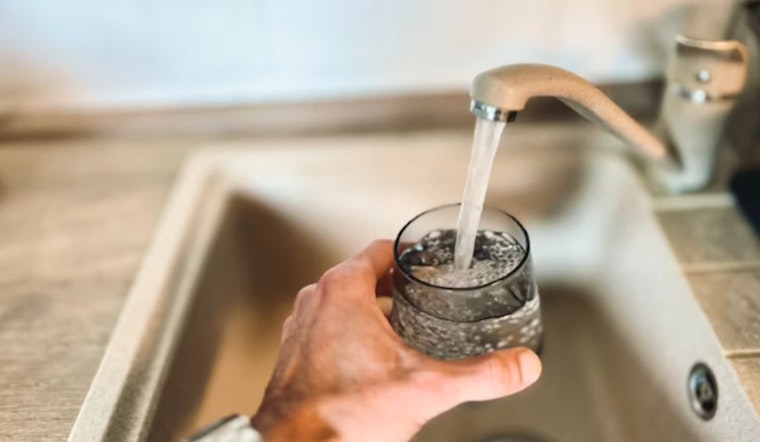
The village of Williams Bay is currently grappling with a water crisis after high levels of nitrite were detected in their tap water, leaving residents unable to safely drink or cook with it. Following tests conducted on Monday, the results of which were released two days later, alerted the public to the presence of dangerous nitrite levels. The warning was issued after the Walworth County Health Department confirmed a case of "blue baby syndrome," a condition often linked to contaminated water, as reported by FOX 6 Now.
With the immediate need to provide clean drinking water, the village board held an emergency meeting on August 27 and authorized $100,000 to distribute bottled water to affected residents. The contamination has prompted a "Do Not Drink" order from the Wisconsin Department of Natural Resources (DNR), and officials are asking the community to only use tap water for non-consumptive purposes, such as showering and flushing toilets. According to a JS Online article, the village is also set to temporarily up the chlorine levels at the water plant to combat the nitrite issue and flush the system.
This situation has understandably caused significant alarm among residents. "It decreases how much oxygen your body can carry its more concerning for babies and children and pregnant women," Anita O'Brien, a Williams Bay resident, explained to CBS 58. Her remark reflects the urgency felt within the community as individuals scramble to adjust to these daunting circumstances, prioritizing the safety of the most vulnerable—infants, young children, and expectant mothers.
To ensure residents have access to safe water, the village is distributing bottled water at Williams Bay School, with hundreds of cars seen lining up to collect supplies. "The main thing right now is making sure the city has enough water for the entire city because who knows," O'Brien told CBS 58. The distribution is set to continue every day from 3 to 7 p.m. until September 2, and then from 4 to 7 p.m. thereafter until officials can to confirm that the tap water is safe once again. This is a precautionary move prompted by the uncertainty of how long the water may have been contaminated before the discovery was made.



