

























































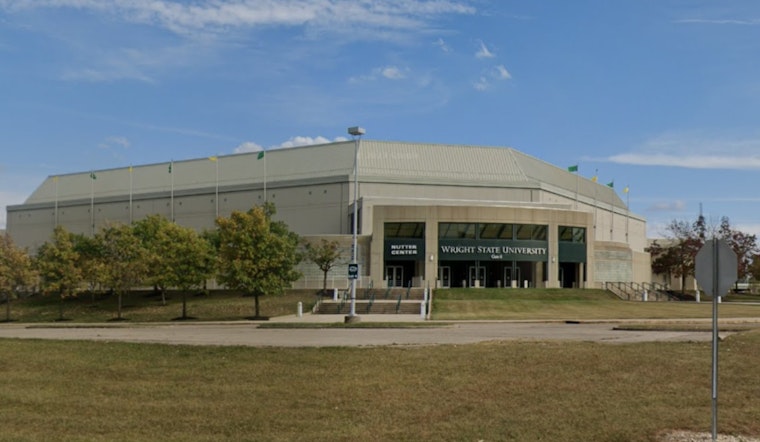
Wright State University is stepping up its game in terms of healthcare innovation and physician education. As initially reported by Wright State News Room, the institution recently appointed Dr. Raj Mitra as the inaugural dean of the Boonshoft School of Medicine and chief academic officer at Premier Health. This unprecedented dual role shows a commitment to bridging gaps between medical education and clinical practice. Mitra's previous tenures in Florida as a professor of medicine and associate dean at the University of Central Florida College of Medicine have set the stage for this innovative endeavor.
Regarding community outreach, Wright State has launched a mobile street medicine program aimed at aiding individuals with substance use disorders, which has been a pressing issue across many areas, including Dayton. Funded with nearly $294,000 from the OneOhio Recovery Foundation, this initiative not only reaches those in need directly but also immerses medical and behavioral health students into practical, transformative experiences. "These are rich, life-changing learning experiences and many will continue to work and make a difference in this space," Marietta Orlowski, a chair of population and public health sciences, told Wright State News Room.
In an effort to combat physician shortages, especially in the rural areas of Ohio, the university's Rural Family Residency Program prepares medical graduates to serve in these communities. Carlos Menendez, the program director, highlighted the benefits of their 'one plus two program' by allowing residents to gain top-notch experience in urban facilities for their first year, followed by two years immersed in rural medicine. The first cohort of three residents from this program is set for graduation in 2026, ready to tackle the unique challenges of rural healthcare.
For those eager to fast-track their medical careers, the Boonshoft School of Medicine's M.D. in Three program enables students to complete their degrees quickly, saving a year of tuition and speeding up their entry into the workforce. One such beneficiary, Cole Stevens, expresses that this program has solidified his commitment to family medicine. Laurie Bankston, an assistant professor of family medicine, sees this as a dual benefit: "This is a great program that allows students interested in primary care to focus their curriculum so they finish in three years," she said to Wright State News Room. It's clear Wright State University is proactively responding to the region's healthcare needs through inventive education and service.



