

























































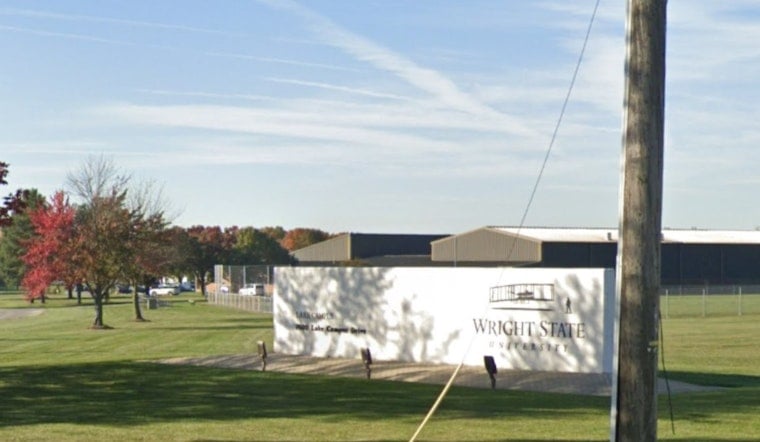
Over in West Central Ohio, the conversation around education and workforce development echoes with practicality and foresight, courtesy of Wright State University–Lake Campus’ Workforce Development and Business Enterprise Center (WDBEC). This hub has created a synergy, pairing up employers with talent, offering skill enhancement, and fostering small business growth, as reported by Wright State University's newsroom.
Emphasizing the center's role, Director Tammy Eilerman has championed the WDBEC as an "educational bridge," aiming to bind the academic world with the region’s industrial fold. The center isn’t just about providing classes but, about crafting pathways for individuals to weave through the vast quilt of their careers. Eilerman stated in a statement obtained by Wright State University's newsroom, “The WDBEC provides lifelong learning opportunities for individuals to continue their education throughout their careers."
One particular highlight at the WDBEC has been the pre-apprenticeship program, in collaboration with local high schools, designed to introduce seniors to manufacturing careers. Through a blend of coursework and part-time employment, students like Jay Schroeder gain certificates and hands-on experience. "It has made my career goals more achievable,” Schroeder told the newsroom, testifying to the pragmatic blend of education and work experience on offer.
WDBEC has also been proactive in reskilling with its SkillsTrac program, which hones in on specialized industries. Targeting the intricacies of advanced manufacturing, it's a two-pronged educational attack, mixing online classes with real-world labs. Eilerman's pitch was straightforward, according to the Wright State University's newsroom, “With SkillsTrac, you choose only the sections you need, so you can develop the training that best suits you.”
Grants have further energized Lake Campus, allowing it to infuse advanced technologies like AI robotics and electric vehicle training into the curriculum. This strategic direction, underscored by the investment from the RAPIDS grant, is poised to align the region's workforce with the emerging demands of industry. “We have invested in cutting-edge technologies — AI robotics, electric vehicle training, virtual welding, and advanced manufacturing systems — to ensure our community remains at the forefront of industry innovation,” Eilerman pointed out, as noted by the university's newsroom.
In line with its mission to bolster community education, WDBEC's grant from the Gene Haas Foundation opens doors for community members and students to learn precision machining at no cost. Keeping an eye on accessibility, these courses are also available in the evenings, illustrating the center’s commitment to flexible learning opportunities for all.


