

























































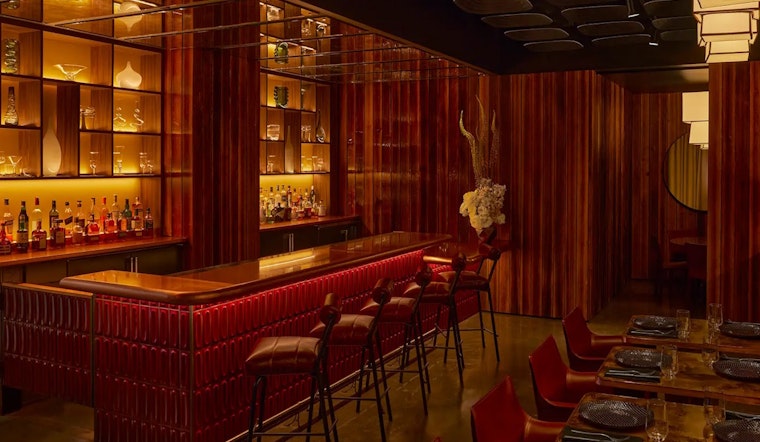
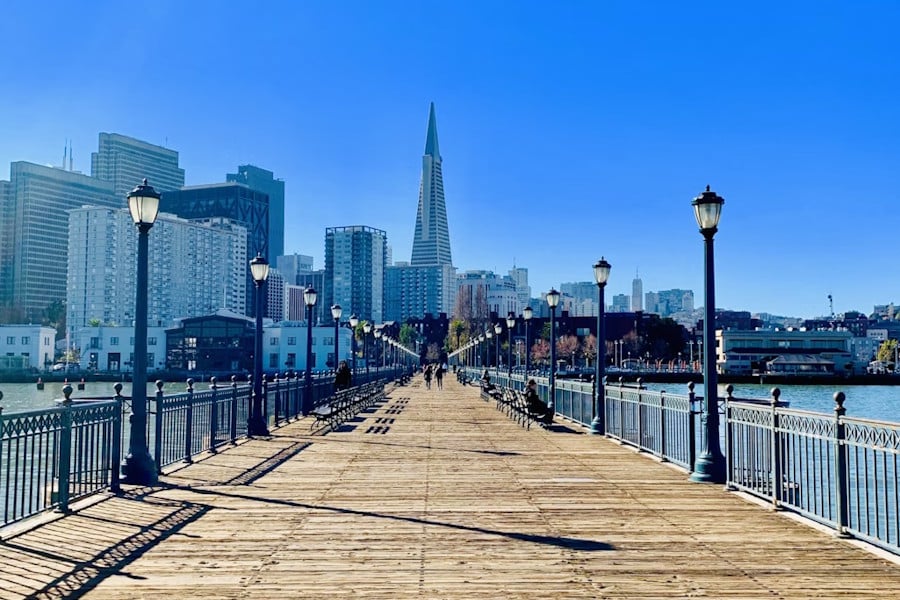
San Francisco's most recognizable building just completed the final piece of its comeback story—and it tastes like $90 veal chops. The Transamerica Pyramid's billion-dollar renovation reaches its crescendo this week with the opening of Ama, the third restaurant from a Miami chef whose success mirrors the building's own against-the-odds turnaround.
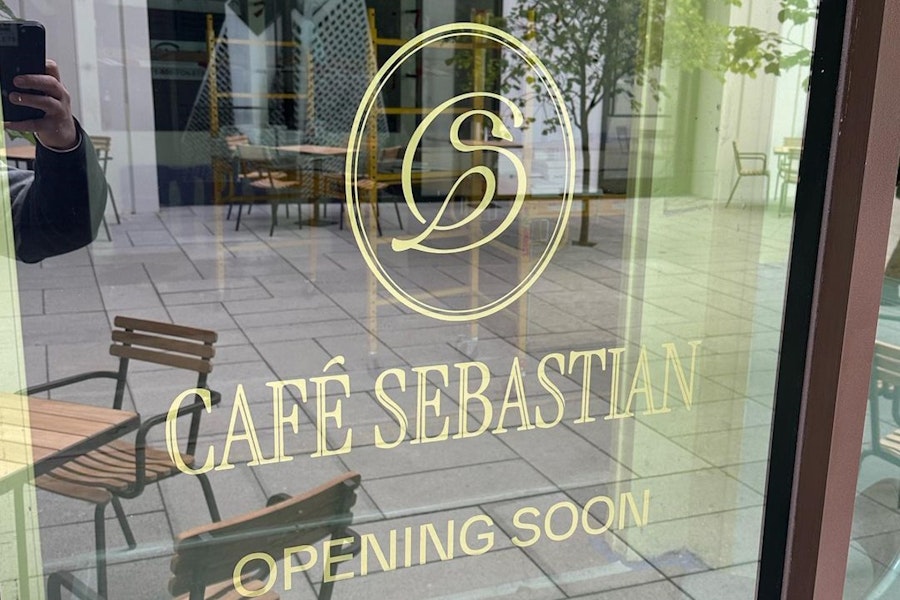
Chef Brad Kilgore, the 2016 Food & Wine Best New Chef behind Miami's now-shuttered Alter, opens Ama on September 24, completing his dining empire at the iconic pyramid. The Italian-Japanese restaurant and "secret" lounge joins Cafe Sebastian and MadLab, both already operating at 545 Sansome Street, as the final component of developer Michael Shvo's audacious plan to transform downtown's future.
The Billion-Dollar Vindication
Shvo's 2020 gamble now looks prescient rather than reckless. The building that many thought he overpaid for at $650 million during the pandemic's peak is now over 80% leased, according to CoStar. Rents have "doubled and tripled" since his purchase, with tenants paying $125 to $200+ per square foot compared to the city average of around $68.
The transformation includes major recent wins like global law firm Morgan Lewis signing a 123,000-square-foot lease—the building's largest deal since renovation. Downtown SF Partnership reports that leasing activity increased by 80% and vacancy rates dropped from 50% in Q2 2024 to 33.8% in Q1 2025, making it a standout performer while the broader Financial District struggles with 33.9% vacancy.
The Miami Chef's Final Act
Kilgore's arrival represents more than just imported talent—it's validation of Shvo's thesis that luxury amenities could command premium prices even in a struggling market. The chef's credentials are impressive: stints at three-Michelin-starred Alinea and L2O in Chicago, according to Kilgore Culinary, plus the rare distinction of earning four-star reviews twice from the Miami Herald.
But Kilgore admits he's an outsider taking on San Francisco's food culture. His frank admission to Food & Wine that "the city that loves a simple plate of figs should brace itself for foam" suggests he knows he's bringing molecular gastronomy techniques to a town that often prefers subtlety.
Luxury in the Time of Recovery
Ama's menu pricing reflects the building's new reality: dishes ranging from $26 for squid ink arancini to $90 for whole dry-aged veal chop parmigiano. According to the San Francisco Chronicle, the restaurant features Japanese whisky from Kilgore's personal collection dating to the 1970s and cocktails that incorporate everything from dashi brine to pickled plum.
The restaurant's design doubles down on exclusivity: Ama Social Club enforces a phone-free policy and plans to launch a membership option this winter. It's exactly the kind of amenity that's helping Shvo attract tenants willing to pay double the market rate for office space.
The Complicated Developer Who Seems to Value the Existing Community
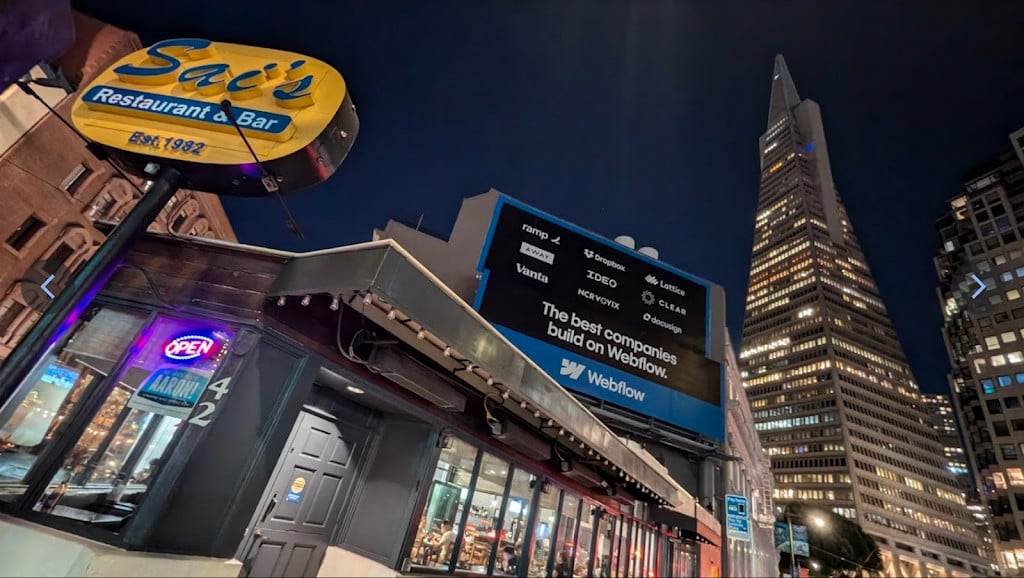
Shvo's track record with existing businesses has been more nuanced than initial headlines suggested. When Sai's Vietnamese Restaurant faced eviction after 37 years in the neighborhood, it initially looked like ruthless gentrification. The longtime family-owned restaurant received just weeks' notice that their lease wouldn't be renewed for redevelopment.
However, Shvo ultimately helped Sai's relocate just two blocks away, generously providing $350,000 in financial assistance and forgiving over a year's rent.
Downtown's Trophy Building Strategy
The Transamerica success story reflects a broader market trend: trophy buildings with premium amenities are thriving while lower-tier properties struggle. Downtown SF Partnership notes that trophy buildings citywide maintain just 15.3% vacancy compared to the broader market's 33.9%.
Food & Wine points to similar high-end projects at Rockefeller Center's Le Rock, Chicago's Willis Tower food hall, and Seattle's Space Needle renovation. But the Pyramid's $1 billion transformation stands out for its scale and timing during San Francisco's most challenging period.
The Recovery Indicator
Ama's opening this week serves as more than just another restaurant debut—it's a signal that luxury hospitality can thrive in downtown San Francisco when paired with the right amenities and vision. While Restaurant Realty data shows California restaurants in major city downtowns continue struggling with broader challenges, the Transamerica complex proves there's appetite for premium experiences.
Whether Kilgore's molecular gastronomy and $90 entrees represent downtown's new normal or remain an isolated luxury enclave, his success will be closely watched. In a city still debating its relationship with wealth and exclusivity, the chef's admission that this isn't "fine dining" but "fun dining" might be the perfect San Francisco compromise—premium experiences that don't take themselves too seriously.
The billion-dollar question has been answered: Shvo's bet paid off spectacularly, and Kilgore's final restaurant opening marks not just the completion of a renovation, but proof that ambitious development can succeed even in uncertain times.
Editor’s Note: This article has been updated to reflect the correct references of the organization.





