

























































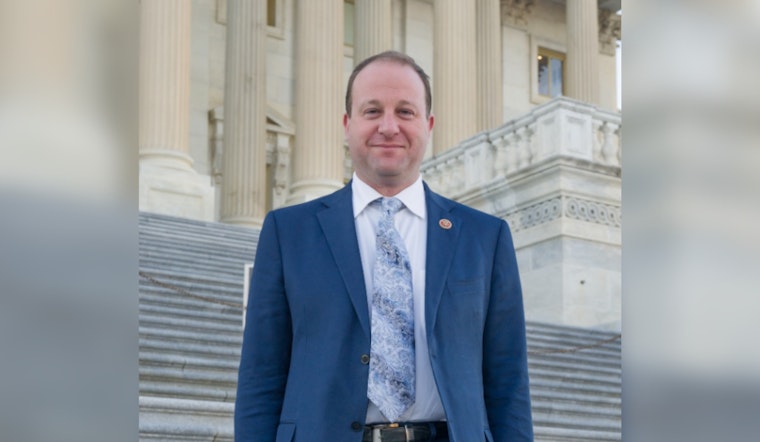
Aspiring scholars in Colorado, take note: the golden opportunity to apply to college for free is returning this October. Governor Jared Polis and the Colorado Department of Higher Education (CDHE) have announced the return of Colorado Free Application Days, set for October 7-9. During this three-day event, all public colleges and universities in the state, along with many private institutions, will be waiving application fees, making higher education more accessible.
"By eliminating application fees, we are opening doors for more Coloradans to pursue college and build a brighter future," Governor Jared Polis stated, as per the Colorado Governor's Office. In addition to this initiative, CDHE's executive director, Dr. Angie Paccione, explained, "Free Application Days are more than just an opportunity to save money, it’s a gateway to possibility." These sentiments indicate a statewide effort to promote educational growth and eliminate economic barriers for students seeking to advance their postsecondary studies.
The eligibility for this fee reprieve extends to all Colorado residents applying to undergraduate programs, which include associate degrees, bachelor’s degrees, and certificates at participating institutions. Information on navigating fee waivers and participating institutions can be found on the CDHE website. It's also important to note that many community colleges and area technical colleges in Colorado now waive application fees all year-round, making education more attainable for a larger portion of the population.
In pushing this initiative, the facts are telling: According to Lumina Foundation, Colorado ranks 4th in labor force education achievement compared to other states, yet there's a gap, with only about half of Colorado high school graduates moving on to postsecondary education. As per statements made by CDHE, nearly 75% of jobs in Colorado now require postsecondary credentials. This makes the potential impact of Free Application Days particularly significant, especially for students of color and first-generation students. Last year, roughly 66,000 applications were submitted, translating into more than $2.8 million saved by applicants, a substantial economic relief.





