

























































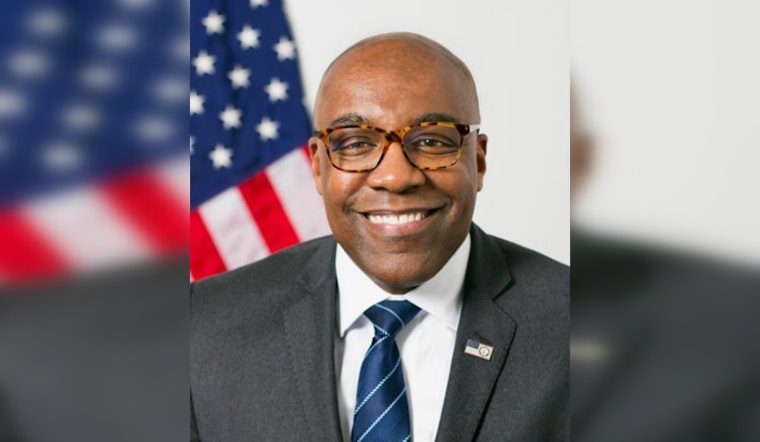
In a push against the Trump administration's attempts to undercut worker safeguards, Attorney General Kwame Raoul has teamed up with a coalition of 18 attorneys general in an official opposition. According to a statement by the Illinois Attorney General's Office, the group submitted a comment letter to the U.S. Department of Labor's Secretary Lori Chavez-DeRemer, opposing the proposed rule that would weaken protections established for foreign temporary agricultural workers under the H-2A visa program.
"Agricultural workers in the H-2A program ensure America's farms and orchards have the necessary labor to provide food for Americans and the rest of the world," Raoul expressed concern over the potential rollback. "I urge the Department of Labor to rethink this short-sighted decision that would endanger the safety of these vital workers and negatively impact the U.S. agricultural market as well as U.S. workers," he added, signaling his discontent along with the coalition, which includes attorneys general from across the spectrum, spanning states like Arizona to Washington. The Trump administration's proposed alterations would see crucial safeguards removed, including the requirement that employers offer and pay prevailing piece-rate wages, they would also eliminate record-keeping protocols that aid in human trafficking investigations, and they even look to rescind provisions that ensure workers right to receive guests in employer-provided housing, an arbitrary stance that may only add to the isolation of those toiling far from home.
This isn't just about foreign nationals; the coalition insists that such deregulation threatens to harm U.S. workers as well. The argument put forth is that doing away with these worker protections could lead to lowered wages or even replacement of domestic employees by those holding H-2A visas, a group whom employers might pay less due to the proposed rules. The stern letter to the DOL suggests that the proposed rule is not only arbitrary and capricious but also an affront to clear regulations that aid in enforcement, thus, potentially spawning a chaotic job market for those in agriculture.
The response from Raoul and his allies draws a line in the soil, in a fight for the soul of American labor, they stand with the workers, saying, "the proposed rule fails to fully analyze how the revisions will harm U.S. workers, including by lowering the wages of U.S. agricultural workers or using arbitrary standards to push out U.S. agricultural workers in favor of H-2A workers, whom they can pay less," a retaliatory stance that seeks to shield the vulnerable workers from policy changes that could see their right to fair wages and humane working conditions eroded, a sentiment echoed by a diverse group of state attorneys general, who are collectively asking the DOL for greater consideration and a reversal of this backward slide.




