

























































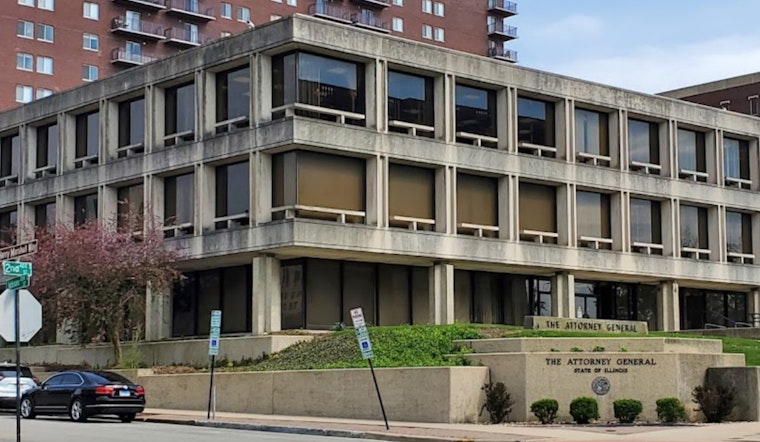
In a recent turn of events, Attorney General Kwame Raoul has secured a court order that shields the privacy of SNAP beneficiaries across the nation. The victory came about when a U.S. District Court in California issued a temporary restraining order, halting the Trump administration from its insistence that states hand over personal data of all individuals applying for or receiving SNAP aid. This sensitive information encompasses names, Social Security numbers, and even immigration statuses – details that Attorney General Raoul and a bevy of 20 other attorneys general argue could be misused for immigration enforcement, contrary to the spirit of the law.
The lawsuit, which has gathered the support of attorneys general from states as varied as Arizona and Wisconsin, and includes the state of Kentucky, was set into motion in July. They consistently argue that such personal data should be kept confidential, and its disclosure is regulated by federal and state statutes. According to a statement obtained by the Illinois Attorney General's office, "SNAP provides access to food for millions of Illinois families while also supporting thousands of local grocers, farmers’ markets, and other merchants who are critical to states’ economies, and I will continue to protect their privacy.” This comment by Raoul emphasizes the program's impact not only on individuals and families but also on local economies.
The United States Department of Agriculture (USDA) has pushed for states to submit this data since January 2020 and has threatened with potential funding cuts for non-compliance, leaving states in the precarious position of either flouting the law by yielding to the demands or securing their citizens’ information at the risk of losing crucial funding for the SNAP program. The program has been a lifeline for low-income Americans for over six decades, offering a safety net to nearly 2 million people in Illinois alone, of which 33% are households with children and 27% include a person with disabilities.
In this era, when the free flow of information can so rapidly turn against the individuals it seeks to define, victories such as this stand as vital reminders of the need for vigilance in the protection of personal freedoms. It's a reminder that at the heart of our systems, a balance must be constantly struck between the needs of governance and the rights of the governed. As Attorney General Raoul leads the charge, along with his counterparts across the nation, one can see an ongoing commitment to maintaining this balance, all the while keeping an eye on the implications of every bureaucratic request that knocks at the doors of privacy.



