

























































The City of Austin's Office of Homeland Security & Emergency Management (HSEM) is mobilizing citizens to take action during National Preparedness Month. Emphasizing the necessity of drafting a disaster response plan, HSEM has outlined four key preparedness steps and offers resources to ensure the community can better withstand potential emergencies.
To kick off the efforts, HSEM Director Jim Redick urged the importance of early preparedness, stating, "The more proactive we are in preparing, the more easily we can make it through the next emergency together," in a report by The City of Austin. Austin residents are advised to "Make a plan, build a kit, know your neighbors, and stay informed," as these steps can significantly mitigate risks during disaster scenarios.
The first step, making a plan, involves identifying a meeting place for family members should separation occur, and designating an out-of-area contact. It also includes keeping a list of public safety phone numbers readily available. These essentials, as suggested by HSEM's Neighborhood Preparedness Guide, are aimed at creating a foundation for community safety.
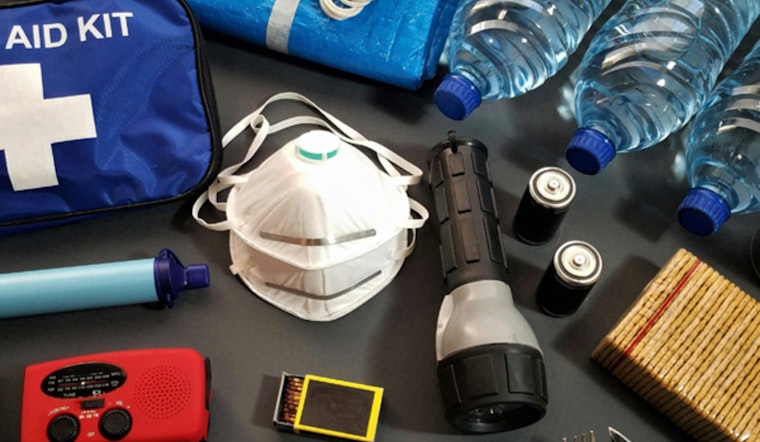
Building a kit is the second step and involves gathering supplies such as water, food, medications, and items for both children and pets that can last several days. HSEM recommends collecting items gradually to accommodate budget constraints and emphasizes the need to periodically review and update your kit. To assist residents, HSEM provides a digital resource at ReadyCentralTexas.org to facilitate the process to consistently build and maintain an emergency kit.
Knowing your neighbors is not just about community; it's about increasing resilience and collective response capability during times of crisis. Recognizing special medical needs within your vicinity or pooling together resources can provide significant advantages in dealing with emergencies, as noted by HSEM.
In terms of staying informed, HSEM stresses multiple points of contact for emergency alerts, including signing up for regional systems and including a battery-operated weather radio in your kit. Additionally, they recommend the Accessible Hazards Alert System (AHAS) for those requiring ASL or other accessibility services.
Austin's public service departments are in full swing supporting National Preparedness Month, offering tips from medical item inclusion in kits (Austin-Travis County EMS), wildfire preparation (Austin Fire), power outage protocols (Austin Energy), to flood safety and proper food handling in emergencies (Watershed Protection Department and Austin Public Health).
Further reinforcing its commitment to public readiness, HSEM is hosting its 4th Annual Get Ready Central Texas Emergency Preparedness Fair on September 19. The event promises a suite of vendors and activities centered on preparedness and offers free starter emergency kits to attendees. Monthly and quarterly preparedness events, such as pop-up sessions and training classes, are also available for those looking to engage more deeply with emergency planning.





