

























































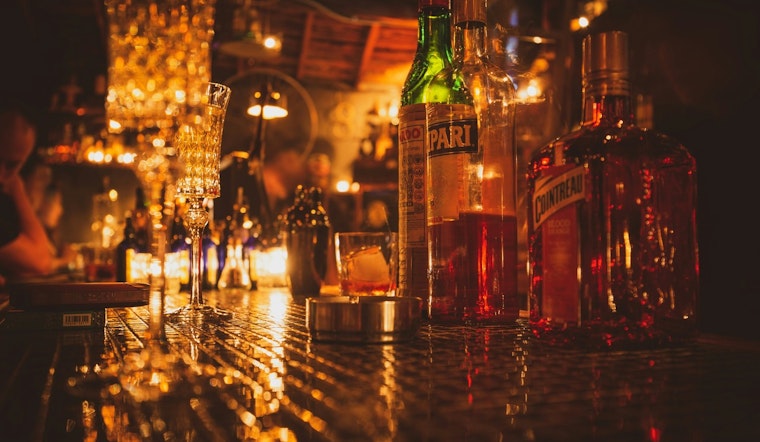
Boston's nightlife and dining scene is poised for an upgrade as the City Council greenlights a new measure to convert existing beer and wine licenses to full all-alcohol licenses. The council's decision, aimed to bolster small businesses and restaurants, recognizes the high-profit margin that cocktails and spirits can bring to these establishments.
As of now, approximately 375 beer and wine licenses are held across a variety of businesses in the city. The chronic hurdle has been the state law capping the number of all-alcohol licenses available—making them tough to snag. According to a statement obtained by the City of Boston, businesses with the existing licenses can now apply to upgrade their license, giving them the chance to serve a fuller range of alcoholic beverages. The city believes this can significantly amp up revenue and bolster long-term growth.
To navigate this conversion, businesses must secure nods from both the City’s Licensing Board and the Massachusetts Alcoholic Beverages Control Commission. Those businesses must also be in good standing with state tax and unemployment agencies and are required to fork over a $470 fee. A poignant detail in this policy is the non-transferable nature of the new licenses—meaning they cannot be sold or moved to other businesses, a move that ensures the city's total license count remains fixed.
Drawing from a public hearing on Monday, key city officials including Segun Idowu, Chief of Economic Opportunity and Inclusion, Kathleen Joyce, Executive Director of the Mayor’s Office of Consumer Affairs and Licensing, and Danny Green, Executive Secretary of the Licensing Board, pressed the advantages of the program. Echoing their sentiment, small business owners talking at the hearing, showed their backing for the conversion. "The ability to serve cocktails and spirits would significantly boost their competitiveness and profitability," was a prevalent theme among the supportive owners.
This approval by the Council isn't the first sign of Boston's desire to enrich its hospitality industry. It follows on the heels of the historic expansion of 225 new liquor licenses last year, the largest swell since the era of Prohibition. Evidently, these steps are designed to beef up the toolbox for Boston's neighborhood businesses, level the playing field for diverse entrepreneurs across the city, and pep up the hospitality sector to the benefit of all who call Boston home or drop by for a visit.


