

























































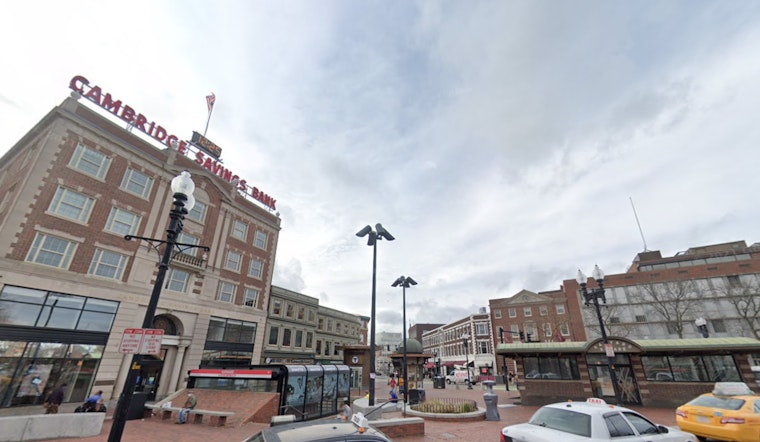
In the heart of Cambridge, a significant change is coming to Harvard Square with the pedestrianization of Lower Bow Street. The Cambridge City Council has decided to permanently close a block to traffic, kickstarting a transformation that invites outdoor dining and mimicking European-style walkways, according to a Boston.com report.
This move will open up back patio spaces for Blue Bottle Coffee, and Daedalus and Sea Hag restaurants, starting in the spring, Cambridge Day mentioned. Cambridge Transportation Commissioner Brooke McKenna was quoted saying that after a two-year closure for construction, the block has operated "without causing significant impacts on the safety or functionality of the surrounding traffic patterns," a sign that it's ripe for a pedestrian-friendly overhaul.
While the vision for a bustling, car-free zone is clear, the method for restricting traffic is still up in the air. City Councilor Patty Nolan has been advocating since 2020 to use automated bollards that can be lowered with a code, enabling delivery and emergency vehicles to pass through when necessary. However, concerns about the bollards' maintenance and reliability have been raised by city officials. "The city continues to have serious reservations about the reliability, maintenance burdens, installation challenges, and cost of automatic bollards," McKenna stated, as per reports from Boston.com. Despite this, Nolan sees "an ideal way to try" this approach due to the street's small and specific nature.
Furthermore, Harvard Square finds itself at a crossroads with another urban project facing resistance. Plans to repurpose an abandoned MBTA tunnel as an entertainment venue have been met with skepticism, as reported by Cambridge Day. Mayor E. Denise Simmons expressed disappointment with the city's hesitation to push forward with the tunnel's investigation, believing the Harvard Square Business Association's proposal warrants more than a cautious pause. City Manager Yi-An Huang, however, noted potential costs associated with the feasibility study, which could run from $500,000 to $1 million, with no clear funding source identified for this phase.
The debate over automated bollards and the future of the MBTA tunnel points to a larger conversation about how we cleverly repurpose space in urban environments. "Cities all across Europe have been using these in snow, in rain," Nolan emphasized in defense of automated bollards, arguing against the need to "pay people to go back and forth" for manual bollard adjustments, a point echoed during discussions as described by Cambridge Day. Meanwhile, businesses and city leaders look to balance the allure of historic charm with modern utility as Harvard Square edges into a future where public spaces play central roles in urban life.



