

























































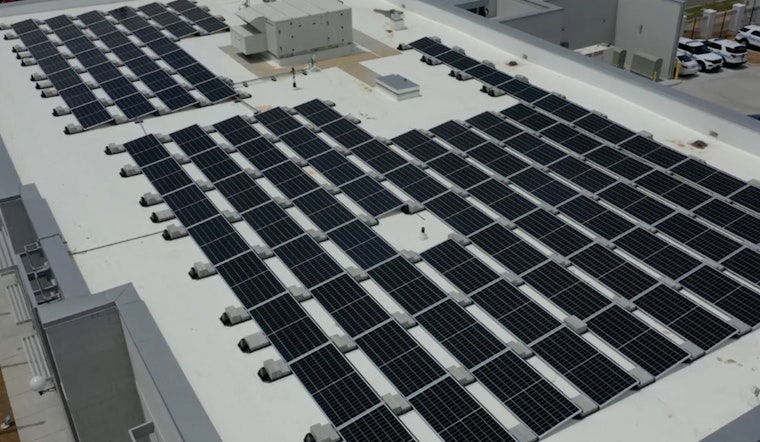
The city of Charlotte is strategically transforming its urban landscape to tackle the sweltering heat and severe flooding exacerbated by its concrete jungle. In a recent report detailed by the City of Charlotte, data reveals that black asphalt and rooftops are turning some areas into sizzling hotspots up to 14°F hotter than those with more verdant expanses. According to the Smart Surfaces Coalition's analysis, deploying a mix of reflective and porous materials could significantly dial back the mercury.
Enlisting an array of tactics known as Smart Surfaces — which include cool pavement technologies and green infrastructure — Charlotte aims to mitigate extreme temperature rises and manage stormwater more effectively. These strategies have demonstrated the potential to slash peak summer temperatures by 3.1˚F to 6.6˚F in the hottest neighborhoods. Heather Bolick, Charlotte's Chief Resilience & Sustainability Officer, told City of Charlotte about their ongoing smart surfaces implementation and the Coalition's role in quantifying the benefits of these urban adjustments for the community.
Charlotte's collaboration with the Smart Surfaces Coalition is set to bring a wealth of benefits to the city. Based on the coalition's findings, these surface interventions could yield public health advantages worth $368 million, energy savings of $360 million, and a reduction in infrastructural expenditures amounting to $969 million over a 35-year horizon. The analysis, made public this summer, also forecasts the management of billions of gallons of stormwater and a substantial reduction in CO₂e emissions. Greg Kats, CEO and founder of the Smart Surfaces Coalition, emphasized in the city's statement the projected economic boon and the overarching health and safety enhancements for Charlotte's residents.
Charlotte is not alone in this urban overhaul for a sustainable future. The Cities for Smart Surfaces Program is collaborating with ten major cities, touching the lives of over 8 million people. If these cities replicate Charlotte's model, it could lead to staggering benefits, including $7.6 billion in public health benefits and savings of $3.3 billion in electricity bills, as per the coalition's data-driven roadmap. Dr. Georges C. Benjamin, Executive Director of the American Public Health Association, praised the coalition's contributions in an interview with Charlotte's news release, citing the power these tools grant cities to create healthier, cooler, and more resilient habitats for their citizens.
Supporting urban decision-making, the Smart Surfaces Coalition has put forth analytical tools to aid cities in evaluating the impact of adopting smart surfaces. Tools for benefit-cost analysis and geospatial analysis allow local governments to appraise the financial and environmental advantages of switching to cooler, greener infrastructure. An expansive database containing 2,000 Smart Surface policies from all 50 US states is also now accessible, streamlining the policy adoption process for interested cities.




