

























































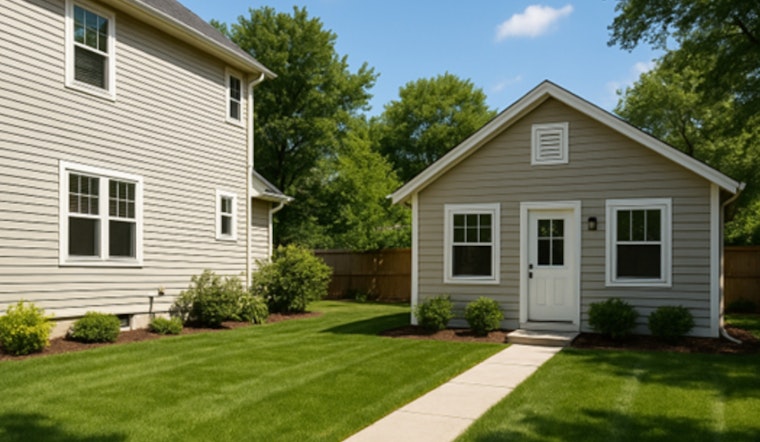
The City of Charlotte is stepping up its game in the housing sector with a new initiative aimed at expanding the diversity of local housing options. According to an announcement made by the City of Charlotte Housing & Neighborhood Services Department, property owners are now being incentivized to build accessory dwelling units (ADUs) on their lots, introducing what they're calling the Queen City ADU Program.
Accessory dwelling units, often known as granny flats or in-law suites, are independent residential spaces that can either be attached to an existing home or constructed as a separate edifice. They come complete with all the trappings of a standalone home, including a kitchen, bathroom, sleeping area, and its own entrance. The program is framed as a way to add more affordable housing options to the mix, answering to the needs of a diverse array of city residents like seniors or singles, and even accommodating multi-generational families.
It seems this Queen City ADU Program is not just about diversity in housing but also sustainability and community character. ADUs are positioned, by the city, as a practical solution to gently increase density, offering smaller housing structures that maintain neighborhood aesthetics and bolster environmental consciousness.
The offer on the table is quite the sweetener—an up to $80,000 forgivable, zero-interest loan for homeowners to get in on the ADU action. There are a few strings attached, though: homeowners must rent their new units at affordable rates to tenants earning no more than 80% of the Area Median Income (AMI), with monthly rents capped at Fair Market Rent (FMR) levels. Furthermore, only one ADU is permissible per lot, and it needs be smaller than the main residence. The city also dangles the carrot of faster loan forgiveness if you're housing certain tenants, like voucher holders or individuals referred by supportive service agencies.



