

























































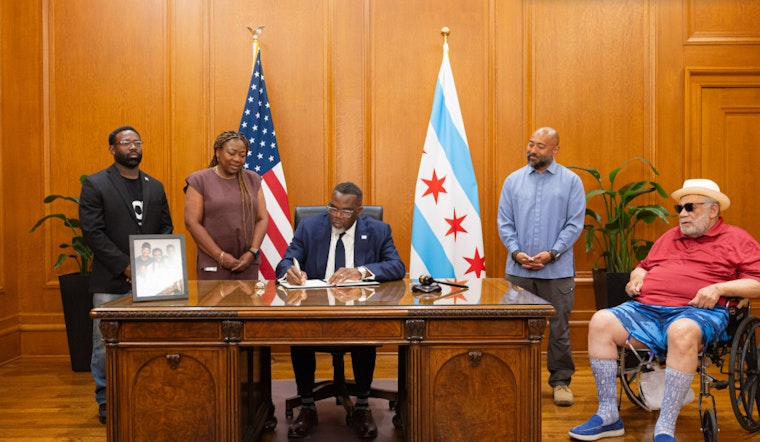
In a move that echoes through the streets of Chicago, Mayor Brandon Johnson has just inked a new executive order aimed at ensuring the city's place as a sanctuary for free speech and lawful protest. Dubbed the 'Right to Protest' order, this latest decree supports Chicagoans' First Amendment rights in the event of federal government intervention. According to the City of Chicago's official announcement, this measure originates from Mayor Johnson's broader Protecting Chicago Initiative and commits to the safeguarding of demonstrations of any scale across the city's vibrant communities.
"Chicago has long been a center of civic action," Mayor Johnson stated, referencing the city’s rich history from labor uprisings to the Civil Rights movement. The executive order arrives in the wake of a confrontation involving federal law enforcement and protest participants at an Immigration and Customs Enforcement location in the Chicago area. In the face of such actions, the city government has emphasized its resolve to protect both the right to assemble and the safety of the public. The order stipulates that CPD shall work hand in hand with protesters to craft a suitable plan for demonstrations, including finding alternative locations, should federal officers disrupt lawful gatherings.
It's a measure that reflects both nostalgia for the city’s past struggles for justice and a proactive strategy in the contemporary political climate. The directive from Mayor Johnson comes after the Chicago Police Department demonstrated its tenacity and commitment last year during the Democratic National Convention, where the supervision of protests by local enforcement led to predominantly peaceful outcomes with few arrests.
CPD Superintendent Larry Snelling’s efforts to foster partnerships with community activists appear to have paid dividends in maintaining orderly dissent within Chi-Town's borders. These connections have proved beneficial, enabling the city to navigate through potential unrest with a tempered hand, minimizing the need for external - notably federal - interference. Despite these successes, Chicago’s administration appears keenly aware of the delicate balance between an individual's right to voice dissent and the collective need for public order and safety.
This 'Right to Protest' order shows that for the city of Chicago, the message is clear: the streets where once laborers and civil rights warriors marched are open for their ideological descendants, so long as their feet tread the ground of peaceful protest. While the specter of federal involvement looms, Chicago's leaders have drawn a line in the cityscape, affirming their commitment to uphold the constitutional rights of all who gather within its bounds.




