

























































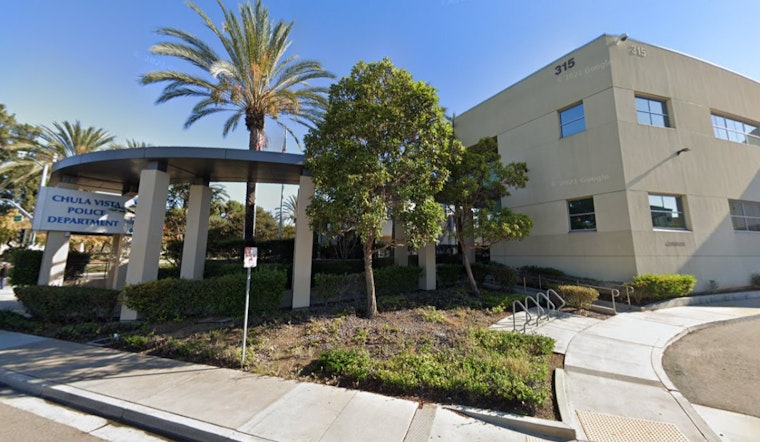
Chula Vista's Police Department is setting a precedent in San Diego County, as it gears up to integrate artificial intelligence (AI) within its policing practices. This shift in protocol, earmarked by a $1 million contract with Axon over the coming four years, aims to streamline the creation of police reports by officers through AI tools embedded in body-worn cameras. This development was unanimously approved by the city council, as reported by NBC San Diego.
The implications of this technological advancement are multifaceted. Officers stand to benefit from significant time savings – potentially freeing up to three hours per shift that were previously dedicated to report writing. These saved hours can then be reallocated to active, on-site police work. According to Police Chief Roxana Kennedy, as told to Voice of San Diego, AI tools are expected to expedite report generation and enhance their detail and thoroughness.
However, integrating AI into law enforcement is not without its detractors. Concerns include potential inaccuracies from AI-generated reports and the ethical ramifications of entrusting AI with high-stakes police work. These fears are not without merit, as even the San Diego Privacy group's Seth Hall highlighted to NBC San Diego, arguing that the focus of policing should not solely be on efficiency but also on the deliberate, careful nature that ensures justice and minimizes harm.
Furthermore, civil liberties advocates such as Jay Stanley from the American Civil Liberties Union have flagged AI's nascent state and susceptibility to errors. Stanley characterizes AI as "quirky and unreliable," as per his statement in a report. One notable incident cited involves King County, Washington, where the prosecutor's office refused AI-generated police reports after finding errors, as detailed by Voice of San Diego.





