

























































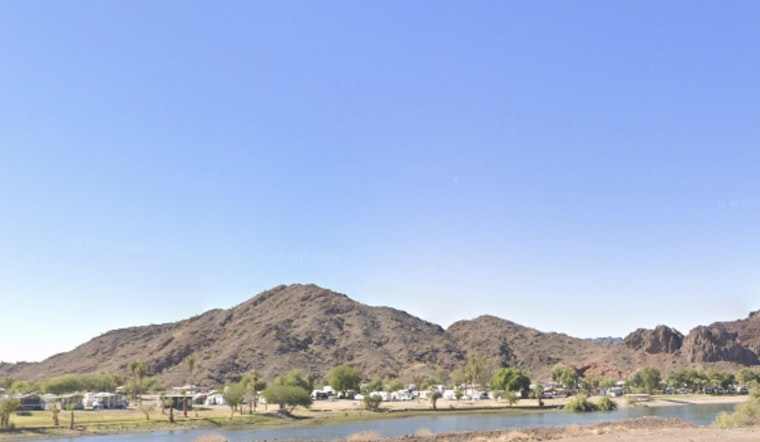
The Colorado River is facing a critical situation, with two of its largest reservoirs, Lake Mead and Lake Powell, potentially hitting dangerously low levels by as early as 2026 if current water use persists and Mother Nature fails to deliver significant precipitation next winter and spring. As reported by ABC15, a recent study led by Anne Castle, a senior fellow at the Getches-Wilkinson Center at the University of Colorado Boulder, warns that the combined storage in these two critical water bodies could fall to a mere 9% of their capacity at the turn of the millennium.
The situation is exacerbated by the Colorado River's dwindling reserve. In a study released on September 11, a collective of water experts highlighted the urgency of addressing the river's deficit. Current reservoir, storage buffers, around 6.3 million acre-feet which is enough to supply nearly 19 million homes for a year, could be almost halved by late summer 2026, ABC15 reported. This scenario underlines the immediate need for reductions in water use across both the Upper and Lower Colorado River Basins, as negotiations over new river rules continue. "If we delay reducing water usage, we may find ourselves in a bigger hole at the beginning of the Post-2026 guidelines," Castle and the other coauthors said.
Furthermore, a stark warning has been issued in terms of the river's ability to meet the demands of its users. As AZ Central reported, experts involved in the study implored the states and tribes that rely on the river to take immediate action to prevent a collapse of the system. They point out that the "river recognizes no human laws or governance structures and follows only physical ones," highlighting how climate change and other factors are reducing the river's natural inflows.
The report suggests that only 41% of the water in Lake Powell and Lake Mead is currently above the critical "deadpool" level, the point at which dam operations become compromised, which is cause for concern. This concern is compounded by the dilemma of "assigned water" in Lake Mead – water that's been set aside from previous allocations but may not be available for future use. According to AZ Central, there's an estimated 3.5 million acre-feet of assigned water as of the end of 2024, which is roughly equivalent to the amount of realistically accessible water.
Anne Castle has been vocal about the need for proactive management of the river's resources, stating to both ABC15 and AZ Central, "We need a management plan for the basin overall that allocates how much water each state can use and then within the state we can figure out how that burden of reduced supply gets allocated," Her calls for an immediate reduction in water usage reflect a consensus among experts that conservation can’t be delayed any longer. The communities that depend on this river, which sustains 40 million people and numerous tribes, must heed the warnings and act swiftly to ensure their future water security.



