

























































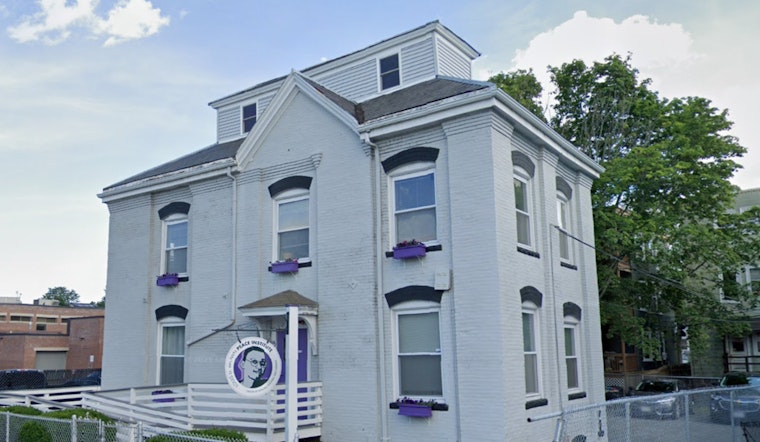
The Louis D. Brown Peace Institute (LDBPI) has initiated construction on their much-anticipated new Center for Healing, Teaching, and Learning in Dorchester. Boston 25 News reported that the institute, established in memory of 15-year-old homicide victim Louis Brown, marked the beginning of the project with a groundbreaking ceremony. Brown, who was killed in 1993 en route to a 'Teens Against Gang Violence' meeting, has been an emblem of hope and change in the community.
Planned features for the National Center include a 19,000 sq. ft. building dedicated to a spectrum of services designed to genuinely support and accommodate the needs of survivors and those dealing with trauma. These facilities will incorporate private and public spaces for counseling, survivor support, youth programs, and innovative therapies. To further foster a serene environment, outdoor areas will be designed to offer spaces for meditation, community gatherings, and events. The center is not just a space but a symbol – one that signifies a commitment to peace and empathy within and beyond the Dorchester neighborhood.
The creation of the LDBPI and its subsequent achievements have dramatically changed the landscape of survivor support in Boston. As detailed on the Institute's website, it was co-founded by Clementina Chéry and began with The Peace Curriculum. This initiative was developed with the intent to cultivate peace and offer guidance on dealing with the aftershocks of homicide—a mission that earned the recognition of the United States Department of Justice.
Chéry and the LDBPI have tirelessly worked to ensure equal assistance to all survivors of homicide, irrespective of the deceased's background or history with law enforcement, according to the Institute's website. This stance comes from a place of understanding the inequities faced by families during times of such profound loss. Through programs like Survivors Outreach Services (SOS), the Institute serves as a crucial partner to cities across the nation, channeling Boston's template for transforming society's response to homicide into a wider movement for change.




