

























































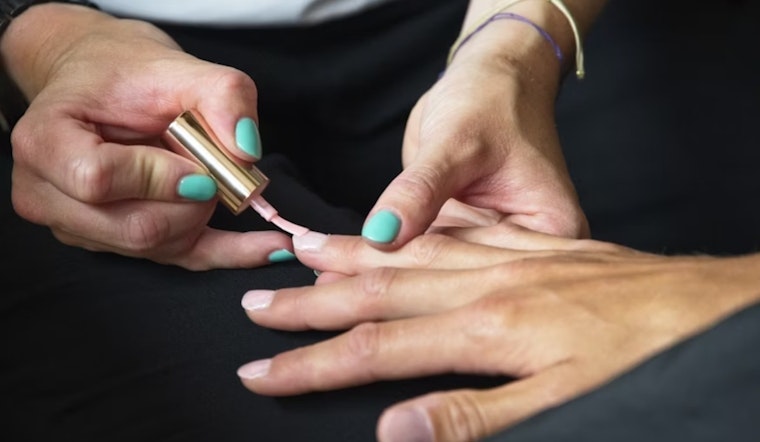
The European Union has decided to put a stop to the use of a chemical known as trimethylbenzoyl diphenylphosphine oxide (TPO) in some gel nail polishes, a restriction rooted in scientific concern over the ingredient's safety, particularly its classification as a "reproductive toxicant." As reported by the University of Cincinnati, the ban reflects the EU's precautionary stance based on animal study data that flags potential hazards associated with TPO.
The chemical serves a crucial function in the realm of cosmetics, chiefly acting as a photoinitiator—it kicks off the setting process when exposed to UV light, hence its popularity in the gel manicure industry; this ban, of course, disrupts a staple of beauty routines, but it's a disruption that stands on a platform concerned with health. Cosmetics chemist Kelly Dobos, an adjunct instructor at UC's James L. Winkle College of Pharmacy, emphasized to CNN, "It starts that reaction that gets it to cure," explaining the significant role TPO plays in a standard gel polish application.
In contrast to the EU's approach, Dobos provided an alternative perspective regarding the risk posed by TPO, noting the divergence between human use and the conditions of the animal studies that led to the EU decision. "What’s important to keep in mind is that those end points and those studies were from animal-feeding studies. When you’re thinking about nail polish, that’s clearly not how we’re exposed to TPO. You’re not eating the nail polish. So, it’s a different route of exposure," Dobos explained to CNN via UC News. This distinction suggests that while the ban takes a firm stance based on lab findings, real-world human exposure might not mirror those experimental conditions.
With the ban now in effect, Dobos asserts that gel manicure aficionados should not be alarmed as the cosmetic industry is well-equipped with alternative substances that can fulfill TPO's role without the associated risks, saying "In my opinion, these materials, in the way that they are used, are very safe, but there are alternatives," as per UC News, indicating both the existence of safe options within current practices and promising avenues for innovation meanwhile, customers looking for their gel fix can rest assured that EU-regulated products will be free of TPO going forward. The cosmetic industry, accustomed to evolving with scientific insight and public health mandates, is likely to adapt and continue to provide consumers with both glossy finishes and peace of mind.


