

























































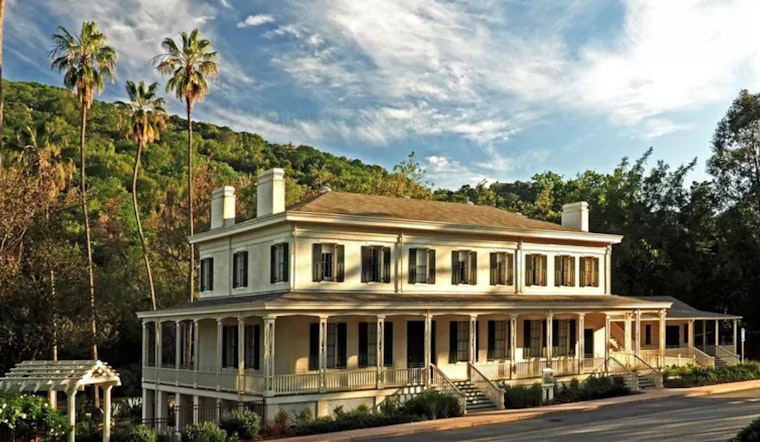
As Silicon Valley wrestles with its identity amid rapid tech evolution and urban sprawl, a dive into the local history of mercury mining offers a refreshing perspective on the region's past. The Almaden Quicksilver County Park, sitting unassumingly in the western foothills of San José, serves up a slice of Californian history through its 4,163-acre span dotted with trails, ecosystems, and remnants of a mercury mining legacy that dates back to ancient times. According to an article published by the county, history buffs will have a chance to immerse themselves in this past at the Almaden Quicksilver Mining Museum, set within the park, on upcoming tours.
Hosting tours on Friday and with additional First Friday tours scheduled for Oct. 3, the museum, located in the historically imposing Casa Grande mansion, pulls visitors into the mid-1800s gold-mining boom. As reported, adventurers and families are offered a peek into the lives of miners with displays of original equipment, clothing, and black-and-white photos celebrating the diverse community drawn to New Almaden, including folks from Mexico, England, Chile, and China, who migrated with hopes pinned on the shimmering promise of quicksilver. However, historically, local indigenous people first mined cinnabar—the mineral source of mercury—and used it for ceremonial purposes and trade across Northern California.
The coin of quicksilver's realm hastened economic activity with a Mexican military captain's 1845 discovery of local cinnabar deposits. The resulting mining enterprise set a foundation for San José's industrial base, catapulting the town of New Almaden to become a bustling hub during the mercury boom—a critical component in processing precious metals like gold and silver found during the Gold Rush era. As described in the county's publication, the miners' day-to-day was spent descending narrow shafts and tunnel networks, their endeavors lit by candlelight. At the same time, they extracted the prized cinnabar ore.
The operation didn't last forever, though. By the 1890s, ore quality had dwindled, and technological advancements, such as using cyanide for gold and silver extraction, marked the end of profitable cinnabar mining. Declaring bankruptcy, the mines still sputtered along in various capacities until their final closure in 1975—a period documented for posterity through meticulous archival work, as noted by the museum's collection. Post-mining, Santa Clara County Parks and Recreation Department took strides, purchasing most of the mine lands in the 1970s and adding the Jacques Ridge property to the park's acreage. They invested millions to mitigate the mercury contamination, opening up the trails and historic areas for public enjoyment and continued environmental cleanup efforts.
While the scars of mining have largely faded from the hillsides, visitors can still unearth the bygone era's significance through the museum's educational offerings. The museum, which suggests a modest donation of $2 per person, welcomes guests to step back in time on Saturdays and Sundays from 12 to 4 p.m. or to partake in the scheduled tours, as highlighted by the museum's recent announcement. For those eager to ensure a spot on the tours, RSVPs can be placed using the convenient registration form provided on the museum’s website.





