

























































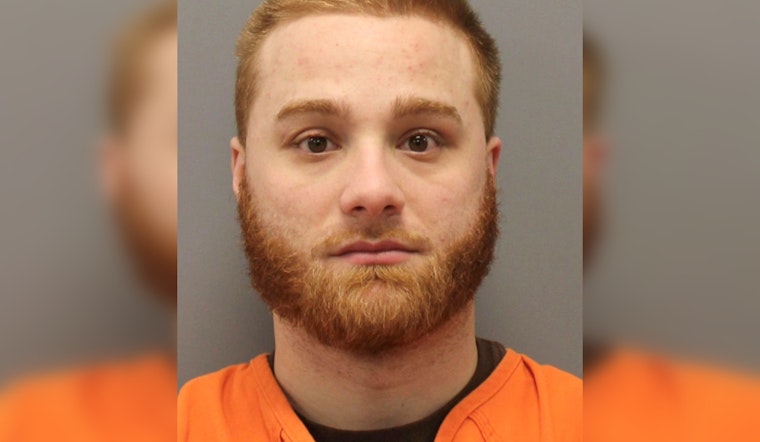
In a decision that highlights the ongoing struggle against the opioid epidemic, Jaden James Wade, 28, of Faribault, was sentenced on August 26 to 78 months in prison for his involvement in the June 2023 overdose death of Hunter Wells. A report released by Rice County details the charges, including third-degree murder for supplying Wells with fentanyl—a substance 50 times more potent than heroin. The conviction comes alongside additional sentences for second-degree drug sale of fentanyl and burglary, with the latter term fixed at 28 months to run concurrently.
Providing fentanyl that resulted in Wells' death and his continued participation in crime were key points brought up by the prosecution. Rice County Attorney Brian Mortenson and Assistant County Attorney Kathryn Burbank advocated for an 8 1/2-year sentence in light of Wade's criminal activities post Wells' death, including selling fentanyl and committing burglary. According to the Rice County report, Mortenson told the court, "Causing the death of one person is one thing; continuing criminal activity after that death is another."
Defense attorney Arthur Waldon argued for a probationary sentence, pointing to Wade's reform efforts since his October 2023 arrest and his time served of 690 days. Despite this, Judge Karie M. Anderson found the past actions of Wade inescapable during sentencing, challenging Wade "to do better" and emphasizing, "You knew the risk." Anderson denied the request for a departure from sentencing guidelines, leading to the final decision detailed in court records.
The personal impact of the case was palpable as nearly a dozen friends and family members of Wells recounted the emotional toll his death had taken on them. Specifically, Wells' mother, Brenda, described an emptiness and a battle with post-traumatic stress disorder since the tragic event, reliving harrowing images such as finding her son's lifeless body and the subsequent chaos of first responders, as recounted in the Rice County release. Wade expressed remorse to both Wells' family and his own, acknowledging his deep entrenchment in addiction at the time.
As the community continues to reconcile with the losses incurred by the opioid crisis, Mortenson's statement underscores the commitment to legal accountability: "A family's sorrow now stands where a young man's future should have been. Our compassion is with Hunter's family, and our resolve is clear: those who spread fentanyl in our community will face justice," as reported by Rice County's official announcement. This case marks yet another somber milestone in the fight against fentanyl distribution and the havoc it wreaks on families and communities alike.





