

























































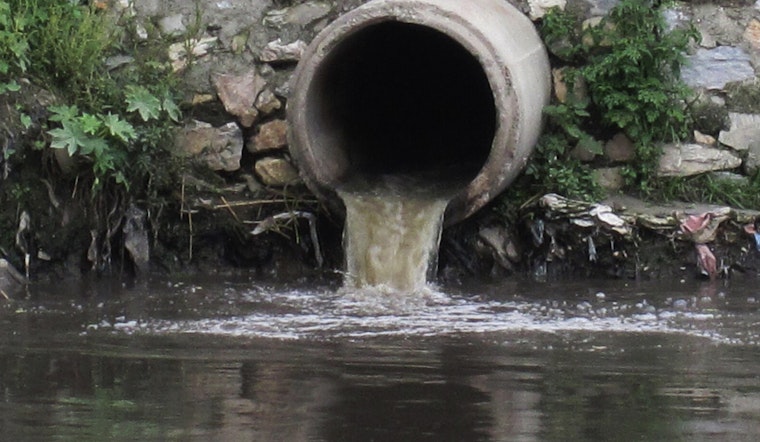
Galveston County authorities are dealing with the aftermath of a significant sewage spill at the Airport Wastewater Facility. An estimated 2,500 gallons of sewage were discharged into local waters, with heavy rains and a swell in Labor Day tourism being identified as potential triggers for the overflow that happened on Monday, reported by CW39.
The incident, which comes on the tail of heightened demand put on the city's sewage system, has prompted Galveston's leadership to introduce measures to prevent future spills. They plan on staffing the facility around the clock and deploying new technology designed to improve management during peak periods. Caught by the spill, on Labor Day, visitors and weather were, according to city officials, factors that played into the mix-up.
Neighborhood residents noticed the unsettling presence of sewage foam on Monday morning, which was contained by city workers within five hours, as detailed in an interview obtained by ABC13. "The leak was discovered at 8 a.m.," said Assistant City Manager Brandon Cook. "They were out there within that hour, and the site was contained by 1 p.m." Residents have been cautioned to steer clear of the affected waters while tests are conducted, the results of which are expected back on Friday.
In response to the spill, changes are swiftly being enacted by the city. Galveston officials, according to Cook, are investing in a SCADA monitoring system costing hundreds of thousands of dollars. "In this case, we would've been able to receive an alert and deploy staff a lot sooner and address the overflow before it could happen," Cook elaborated on the benefits it could have rendered. While the staff increase is effective immediately, the technology implementation is slated for next year, as ABC13 reported.
With this being the fourth overflow reported at the facility in the current year, the Texas Commission on Environmental Quality has been notified. The Galveston Bay Foundation has also weighed in on, expressing concern about the implications of sanitary sewer overflows for both local ecosystems and public health. "Sanitary sewer overflows (SSOs) can be caused or exacerbated by large rainfall events," Natasha Zarnstroff, Water Protection Manager for the Galveston Bay Foundation, told ABC13, advising on proactive measures to mitigate similar occurrences. Further information on the foundation's work and water quality can be found on their website.





