

























































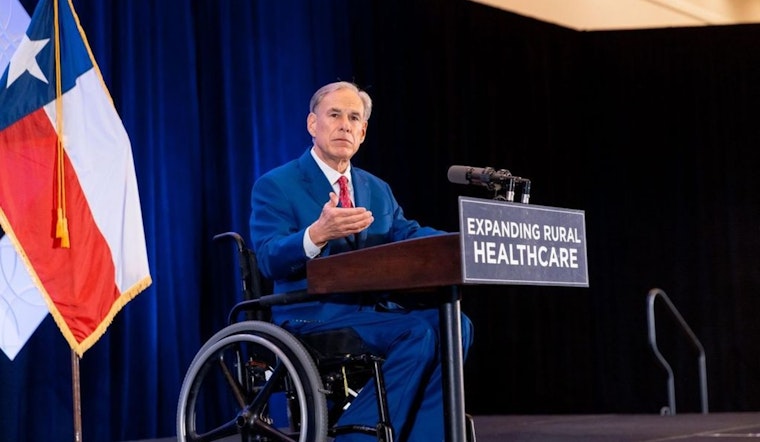
It's not every day that healthcare gets a legislative victory, especially in areas where it's needed most. In a move aimed at bolstering the well-being of residents in rural Texas, Governor Abbott stepped up to the plate at the Texas Organization of Rural & Community Hospitals (TORCH) fall conference in Austin. There, with an audience of healthcare leaders and rural Texas advocates numbering over 350, he ceremonially signed two significant pieces of legislation: House Bill 18 and House Bill 3000, according to an official statement.
Abbott, who has emphasized the importance of supporting the communities that “provide the food, fuel, and fiber that all Texans depend on,” underscored the need to improve rural healthcare systems, according to the Office of the Texas Governor. The Governor praised recent efforts by both the Trump administration and the state legislature, which have opened the gates for more resources to flow into rural Texas. However, it's worth mentioning that this isn't just about politics—it's about keeping the heart of Texas healthy and beating strong.
The scope of these new laws is noteworthy. As reported by the Office of the Texas Governor, House Bill 18—dubbed the Rural Health Stabilization and Innovation Act—aims to provide strategic planning and funding to ensure the sustainability of rural hospitals and clinics. House Bill 3000, on the other hand, inaugurates the Rural Ambulance Service Grant Program, which will offer financial assistance to rural county ambulance providers, as administered by the Comptroller's office.
Among the attendees were notable figures such as Senator Charles Perry, Representative Ken King, and Representative Gary VanDeaver. Governor Abbott also highlighted a prior meeting with the U.S. Health and Human Services Secretary Robert F. Kennedy Jr., where they discussed rural healthcare initiatives, a conversation that was no doubt impactful in shaping the healthcare narrative in the state. According to the Office of the Texas Governor, "This funding will make Texas more efficient in delivering preventative healthcare," emphasizing the potential that these measures have to dramatically improve conditions in rural Texas.
By all accounts, this legislation is a big win for the rural communities of Texas, which often get left in the dust when it comes to medical resources and facility upgrades. With committed leaders and forward-thinking policies in play, perhaps this is a sign that the tide is turning. Improvement might just be on the horizon for the hardworking men and women who are the backbone of such a pivotal part of the state’s economy.



