

























































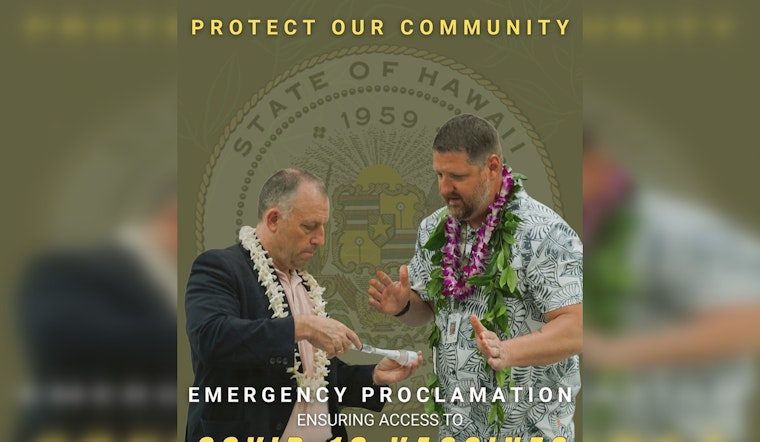
In an assertive move amid convoluted federal health directives, Governor Josh Green of Hawaiʻi has issued an Emergency Proclamation to ensure ongoing public access to COVID-19 vaccines, as reported by the Office of the Governor. The proclamation comes in the wake of a recent U.S. Food and Drug Administration decision that narrowed the approval of the Moderna vaccine, essentially leaving healthy individuals under 65 and children unsure about vaccination access.
Earlier this August 27, 2025, the FDA shifted its stance, limiting the Moderna vaccine to those over 65 and youngsters at least half a year old with underlying health conditions, putting a bracket on protection to an already anxious public. The Advisory Committee on Immunization Practices also didn't help the confusion with their September 19 recommendation, creating a muddle for pharmacists on how to navigate the new process.
However, Green's swift response cuts through the federal red tape, permitting Hawaiʻi's pharmacists to vaccinate anyone aged 3 and upwards who desires it, aligning with the more inclusive policies of the West Coast Health Alliance, thus avoiding the need for a doctor's prescription. The decision echoes a commitment to coherent public health guidance among Alliance members — California, Oregon, and Washington — and the Hawaiʻi Department of Health's endorsement of these standards affirms their scientific soundness.
This proclamation is about protecting lives and keeping our communities safe," Governor Green declared, emphasizing the critical role of vaccines against COVID-19 as a proactive tool, and pointing out the risks posed to Hawaiʻi's families by restricted access to the vaccine for healthy kids and adults, according to the Governor's Office. Indeed, the governor, who is also a physician and a father, stands firmly with science and evidence-based protection for the local population, assuring that he will take necessary actions to maintain accessible health care for all in need.
Hawaiʻi's extensive pharmacy network serves as a crucial vaccination access point, particularly in its more isolated and island areas—taking this emergency measure helps alleviate potential burdens on these communities, which might otherwise face elongated wait times for physician appointments and scarcities of available time slots. Green is clear that while Hawaiʻi respects federal guidance, it will pivot locally when those policies do not suffice for the state's inhabitants.
The governor's veiled critique was accompanied by an affirmation of Hawaiʻi's health plans, which he praised for continuing to cover vaccinations at no patient cost. The proclamation went into effect immediately and is slated to remain until November 22, 2025, unless it is retracted or superseded ahead of this date, as mentioned by the Office of the Governor.





