

























































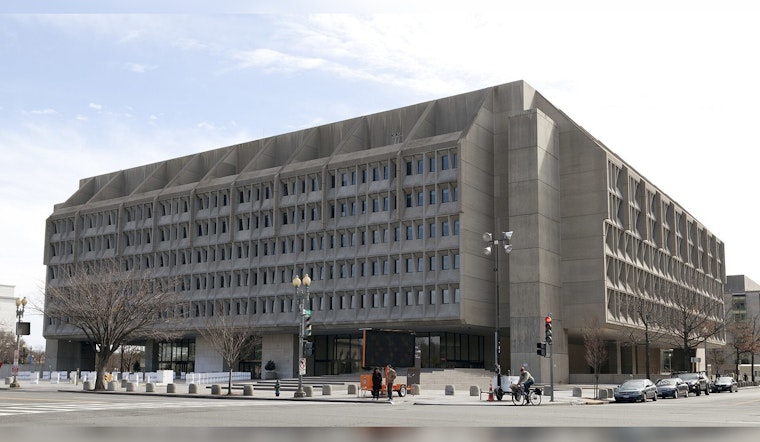
The U.S. Department of Health and Human Services (HHS) has announced its intention to shut down a division of the University of Miami Health System responsible for organ procurement after an investigation revealed significant issues. The Life Alliance Organ Recovery Agency has been charged with unsafe practices, inadequate training, and consistent underperformance, which led to paperworks errors, including a heartbreaking incident in 2024 where a donated heart was turned down due to a clerical error. This decertification comes as part of an overhaul by HHS Secretary Robert F. Kennedy, Jr., aiming to rectify the system's shortcomings, as reported by HHS.
A closer look at past practices under the watch of the Biden administration shows a pattern of negligence, with Deputy Secretary Jim O'Neill stating, "The Biden administration turned a blind eye to systemic failures in the organ procurement system, closing investigations even when lives were at stake," disclosing not only did this negligence cost patients their chances at life, it also hindered much-needed innovation in the field. According to HHS, HHS is now implementing a series of reforms aimed to instill transparency and fairness in the Organ Procurement and Transplantation Network (OPTN), including the establishment of a new reporting system for misconduct and a transparency tool that highlights non-standard organ allocations.
CMS Administrator Dr. Mehmet Oz has expressed that enforcing strict standards is necessary to protect patients and families, in light of the investigation's findings. The reformative measures include the directive by Secretary Kennedy for all Organ Procurement Organizations (OPOs) to appoint an OPTN Patient Safety Officer, responsible for real-time monitoring and investigation of patient safety events, ensuring that incidents are properly documented and reported. "An organ procurement organization must serve as the trusted custodian of every donated organ," Secretary Kennedy insisted, emphasizing the respect and care that should be given to the entire donation process, as noted by HHS.
The overhaul signifies HHS's commitment to fixing a fractured system where nearly 100,000 Americans currently linger on transplant waitlists, and around 28,000 donated organs go unused annually, patients wait with hope, families grieve in turmoil, and the most vulnerable among us hinge their survival on a network meant to serve as a lifeline. "For too long, patients and families have suffered from systemic failures. We are enforcing rigorous standards and modernizing the system with better data, stronger oversight, and innovative tools to make organ procurement safer, fairer, and more effective for every American awaiting a transplant," Dr. Oz told HHS, signaling a turn towards a more reliable and accountable system that honors the gravity of the gift of life.





