

























































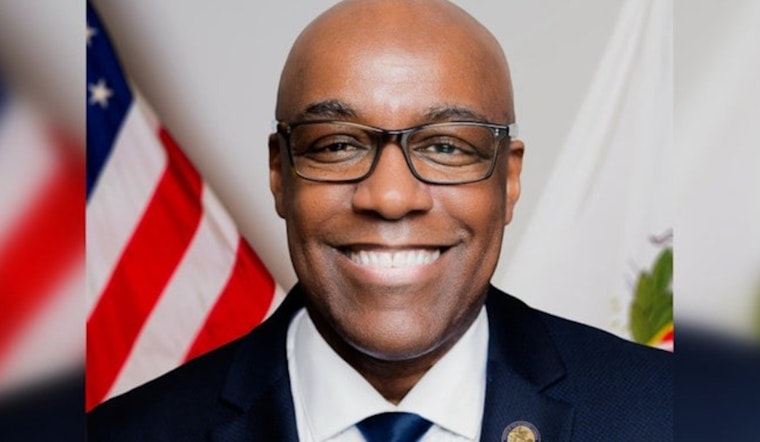
Attorney General Kwame Raoul has thrown a major block at the Trump administration's moves to restrict access to health, education, and social services for low-income families. On Wednesday, a federal court handed down a preliminary injunction, responding to a lawsuit joined by Raoul and colleagues from 20 states, placing a pause on new federal government rules that looked to tighten the screws on funding for various programs.
"I am pleased with the court's decision, which ensures Illinoisans will continue to have access to these vital programs and services,” Raoul commented on the court's ruling, emphasizing his commitment to fighting what he describes as "arbitrary and illegal actions by the Trump administration." The sudden policy shift from the U.S. Departments of Health and Human Services, Education, Labor, and Justice aimed at a reinterpretation of the Personal Responsibility and Work Opportunity Reconciliation Act (PRWORA) - a move that would've imposed new immigration status verification processes on service providers.
Not just a simple policy twist but a likely legal blunder, the federal court's decision implies that the administration's reinterpretation may have stepped out of bounds, contravening both the Administrative Procedure Act and the Constitution. Without substantiation through lawful rulemaking, the Trump administration's directives might have led to substantial loss of services and devastating impacts on the plaintiff states involved in the litigation.
For Illinois, the stakes were high, with redirected federal rule changes threatening programs vital to the well-being of its residents - from preventative health care to adult literacy education. A staggering $182.5 million in annual funding for mental health and substance abuse services was at risk, a sum crucial for supporting nearly 33,000 Illinoisans, according to the Attorney General's office. This injunction breathes life back into these essential services, at least while the court proceedings continue.
The coalition of states standing with Attorney General Raoul stretches from coast to coast, including attorneys general from Arizona to Wisconsin. Together, they represent a bulwark against an administration's attempt to radically alter the social service landscape. For now, the court's decision sustains a fragile continuity of care and support for families and individuals who lean on these crucial programs.





