

























































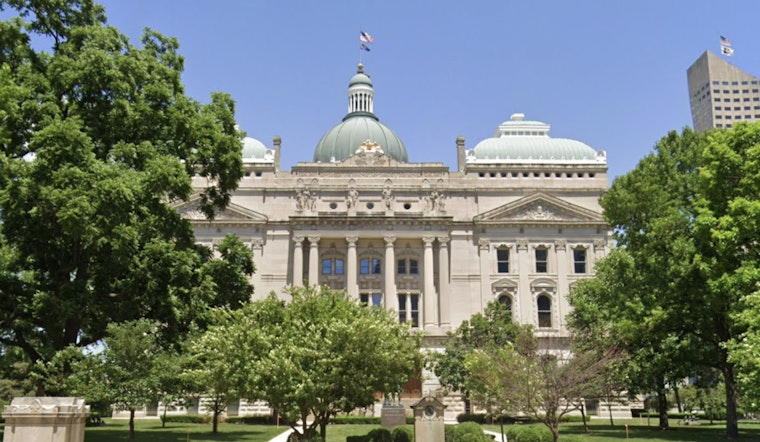
It seems that the drive for government efficiency is picking up significant steam in the Indiana Statehouse, where lawmakers are rallying around a slate of reforms aimed to lighten the load on Hoosier families and businesses. Not one to shy away from the financial well-being of his constituents, a certain Hoosier lawmaker has vowed to relentlessly pursue efficiency and accountability, along with an unwavering respect for taxpayer dollars.
As evidence of this commitment, the lawmaker supported a two-year balanced budget that managed to simultaneously slice taxes and maintain indispensable services without tarnishing Indiana's AAA credit rating. This fiscal prudence was complemented by pushing forward property tax cuts and urging local government entities to keep a firm grip on their spending, thus ensuring taxes remain low for residents. This move could decidedly, to not so gently nudge local government towards streamlined spending, effectively affecting everyday Hoosiers on the ground level.
And when it comes to the matter of education, change is afoot. By championing a major education reform bill, which saw a 10 percent decrease in K-12 school regulations and amplified local voices in education, the lawmaker aimed to dismantle bureaucratic barriers. This law has reportedly discarded an estimated 35,000 words of codes and outmoded mandates, including some that were remnants from the COVID-19 pandemic era, as detailed in a statement obtained by Indiana House Republicans.
Healthcare, a behemoth expense for both the state and taxpayers, was another front targeted by reforms. Enhancements in cost transparency are set to deflate healthcare expenses, and pivotal Medicaid reforms aim to staunch fraud and abuse at the taxpayer's expense. These reforms indicate a consistent tug towards containing rampant spending, an ambition that should eventually reflect in the Hoosier's cost of living.
But the work stretches beyond the legislative session. The lawmaker, serving as the vice chair of the Government Reform Task Force, has been probing the effectiveness of state agencies, boards, commissions, and councils. A deep dive in August uncovered a staggering 224 boards and commissions in Indiana, with an average of 3.5 new ones popping up each year. Rationalization, through amalgamation or elimination of those entities that overlap in purpose, is on the docket as a potential cost-saver. This fine-tuning is poised to inevitably render some steam-lined services for the state's residents.
As Indiana's lawmakers reconvene, the anticipation for effectual reforms is tangible. The Indiana House of Representatives, in collaboration with its constituents, anticipates a future where less can indeed be more for the government's efficiency and the pockets of its people. In a move to foster a two-way dialogue, the lawmaker has also extended an open invitation for constituents to offer suggestions on improving government operations.




