

























































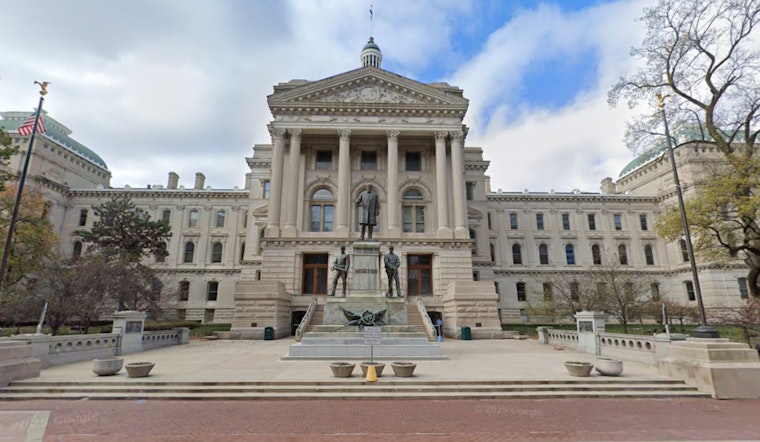
Amid a landscape where the conversation around capital punishment remains fraught with contention, one voice in Indiana has notably shifted stance. Previously a supporter of the death penalty, an Indiana lawmaker has recently articulated a profound change of heart regarding this ultimate retributive measure. This evolution, spurred by both reflection and a significant Supreme Court decision, speaks to the potential for perspectives to deeply transform.
The lawmaker, who once stood firmly on the grounds of 'an eye for an eye,' has now come to believe that to actively uphold the sanctity of life, one must do so consistently at every stage. In a column released on IndianaHouseRepublicans.com, they stated, "After many hours studying the writings of church leaders, philosophers, and historic voices, I began asking myself: Do I really believe that all human life is sacred? The answer was yes." It seems, for this individual, that the journey through prayer, study, and the ripple effects of the Dobbs decision have ushered in a newfound humility.
This shift has also brought to light the implications of state-sanctioned executions. The lawmaker highlights that participation in the execution process implicates many - from the ones who prepare the chamber, to those who administer the deadly act, to the taxpayers who inadvertently fund these moments of death. They suggest a provocative thought: "Every Hoosier who has paid state taxes has, in a sense, shared in that responsibility for every execution."
Furthermore, the lawmaker challenged their peers who continue to support capital punishment to engage more tangibly with their advocacy. "If lawmakers want to maintain the practice of capital punishment, let them fund the gallows themselves," they proposed, calling into question the validity of standing for a policy that one is not willing to personally enact. This idea resonates with questions of integrity and moral responsibility in the realm of public service and legislation. The conclusion leaves a lingering reflection on wisdom: "Humility, not vengeance, is the seat of wisdom, maturity and true strength."
The conversation on the death penalty remains divisive, but what becomes clear is the power of personal transformation. As debates will invariably continue, the insights from Indiana echo a broader, more pressing dialogue on the nature of justice, the value of life, and the kind of society we aspire to become.




