

























































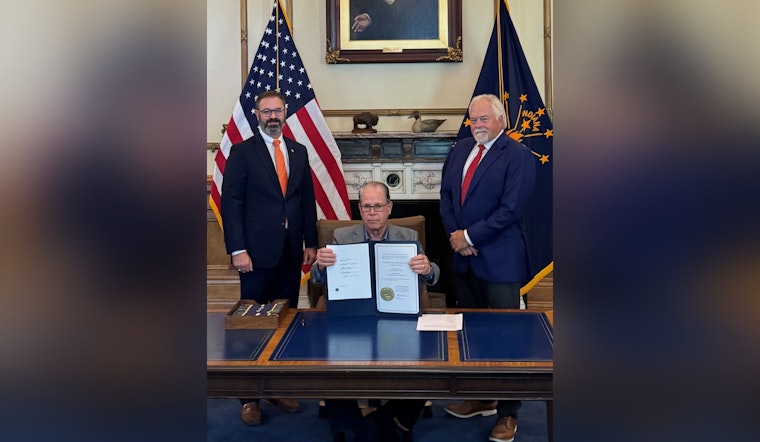
Indiana is taking proactive steps to combat the looming shortage of nursing professionals in the state, with Governor Mike Braun recently signing into legislation a new bill aimed at strengthening the local nursing workforce. The ceremony highlighted the state's commitment to future-proofing healthcare amid declining enrollment in nursing programs nationwide. As reported by the Indiana House Republicans, this initiative is set to open doors for high school students to earn credits toward nursing through state-accredited programs.
According to the Indiana House Republicans, the gravity of the nursing shortage in Indiana is underscored by projections indicating a deficit surpassing 73,000 licensed practical nurses over the next decade. Against this backdrop, Senate Enrolled Act 176, sponsored by State Rep. Danny Lopez (R-Carmel), is seen as an essential move. Lopez highlighted the urgency, stating, "Education and training should move at the speed students do, and that’s particular important as we look to move more Hoosiers into the nursing profession." In a climate where educational agility is paramount, such measures could indeed be a decisive factor in shaping healthcare's capacity to meet future demands.
Indiana Governor Braun has signed a bill allowing high school students to receive college-level nursing education. Ivy Tech campuses across the state have implemented programs enabling students to earn an Associate of Science in nursing degree or participate in a practical nursing technical certificate program. More information on these educational offerings is available on the Ivy Tech website.
The bill also strengthens the regulatory framework of the nursing profession in Indiana. Two additional members will join the State Board of Nursing, expanding its representation and updating board member qualifications. Officials say these changes aim to help the board respond to ongoing challenges in health care.





