

























































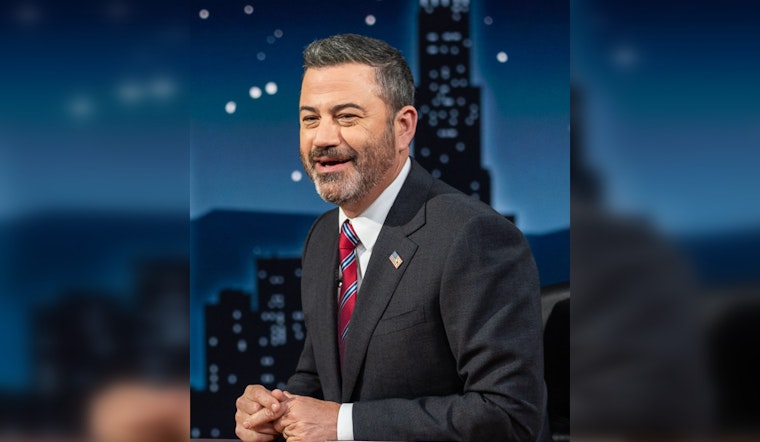
In a move that's stirred up First Amendment discussions, ABC's decision to indefinitely suspend "Jimmy Kimmel Live" following the comedian's comments about the alleged murderer of Charlie Kirk has caught the ire of both legal experts and the public. As reported by NBC Chicago, the involvement of the FCC and the Trump administration in this decision has raised concerns about potential constitutional violations. University of Chicago Legal Scholar Jonathan Masur pointed out that while ABC can suspend Kimmel, the real issue comes from the FCC's potential revocation of their broadcast license, which he claims is a direct assault on freedom of speech.
FCC Chairman Brendan Carr, however, has stated that this situation transcends a mere "joke," arguing that Kimmel "misled the American public" about a significant political event. Despite Carr's justification, legal experts are worried about the larger implications of such government actions, with trends seemingly to strongly favor certain political persuasions. The suspension has not only piqued legal debate but has also sparked protests and solidarity from other members of the late-night circuit, according to Reuters. About 150 protesters rallied with signs supporting Kimmel and free speech, while on-air personalities like Stephen Colbert and Jon Stewart have also voiced their support for their peer.
While the Trump administration appears to applaud the suspension, earlier comments made by Kimmel suggested that the Republicans were exploiting the tragedy for political gain. He accused them of trying to mischaracterize Kirk's shooter, saying, "The MAGA Gang desperately trying to characterize this kid who murdered Charlie Kirk as anything other than one of them and doing everything they can to score political points from it," "Jimmy Kimmel Live" told NBC Chicago.
With media companies often requiring regulatory approval for mergers and other business endeavors, Chicago-Kent College of Law's Harold Krent expressed concern that the government may be using these leverage points to suppress critical voices. He warned of a tactic "that the individuals in the government are trying to use the power to silence the press and silence criticism of the administration." Meanwhile, the FCC maintains its stance that its goal is to ensure broadcasters serve the public interest. Carr argued that if local TV stations don't think airing certain programs is in the public interest, they have "every right under the law" to preempt them, as he highlighted in an interview on CNBC.
The obvious tension between First Amendment protections and government influence in media affairs is likely to continue unfolding, potentially setting the stage for legal battles ahead. As emphasized by NBC Chicago and Reuters reporting, this case represents more than just Kimmel's suspension—it's a bellwether for the state of free speech and political influence in America's media landscape.





