

























































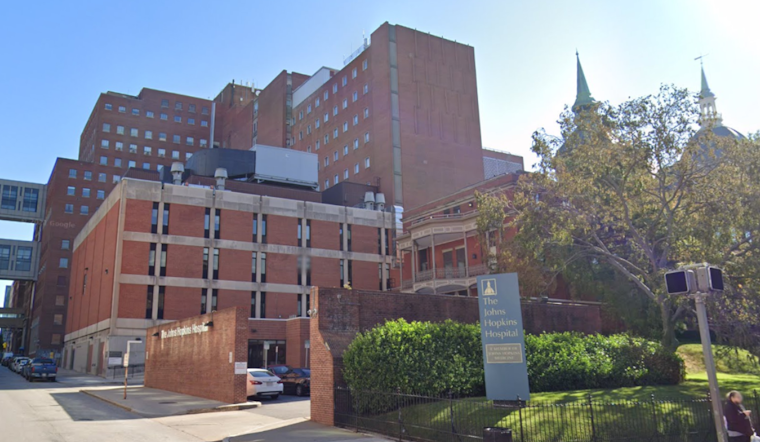
After more than eight months of what seems like a healthcare heavyweight championship, the bout between Johns Hopkins Medicine and UnitedHealthcare has ended not with a knockout, but with a towel thrown into the ring, as the two entities have ceased contract discussions without reaching an agreement. Over 60,000 patients across Maryland, Virginia, and Washington, D.C. are facing the brunt of this impasse—they're suddenly faced with the prospect of either forking out higher out-of-pocket costs or needing to seek alternative insurers that include Johns Hopkins in their networks, when the open enrollment bell rings, as per a letter reported by CBS News.
According to information obtained by WBAL-TV, the stalemate hinged not on financials but on difference of policy regarding patient care, with Kim Hoppe, vice president of public relations for Johns Hopkins Medicine, stating, "UnitedHealthcare had the opportunity to listen to our concerns in a meaningful way and prioritize what matters most: ensuring patients get the care they need, when they need it, without excessive delays or denials" however UnitedHealthcare stuck to its guns, with Joseph Ochipinti, UnitedHealthcare CEO in the Mid-Atlantic region, countering that Johns Hopkins' demands would allow it to "refuse treatment for any member with an employer-based plan it does not want to do business with," which he deemed "unacceptable."
Gene Ransom of the Maryland State Medical Society disclosed to WBAL-TV last month that UnitedHealthcare's practices, often described as aggressively bureaucratic by physicians, have been a long-standing point of contention due to policies like "fail-first" and prior authorization measures that some see as a ploy to cut costs by denying care. The negotiation breakdown is isolated; Johns Hopkins locations in Florida remain within UnitedHealthcare’s network, a small solace to the wider affected patient base.



