

























































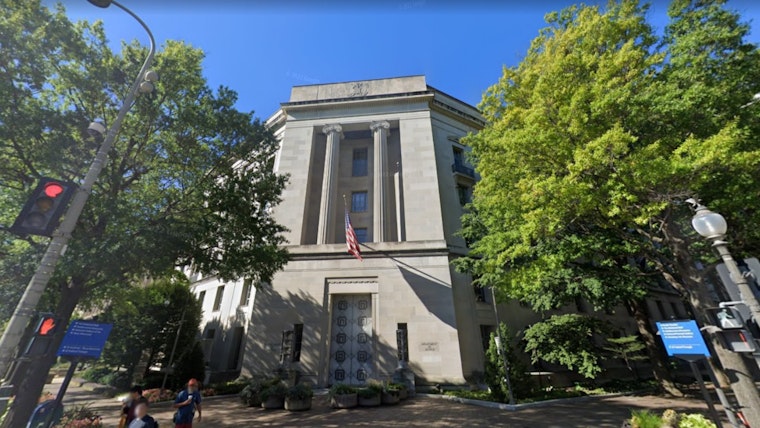
The Justice Department is taking Uber Technologies Inc. to court over allegations of disability discrimination, particularly against passengers with service animals and those needing mobility devices such as wheelchairs, as reported yesterday. The federal case, filed in San Francisco's backyard, the Northern District of California, accuses the ride-hailing giant of violating Title III of the Americans with Disabilities Act (ADA) by denying equal service to passengers with disabilities. The ADA mandates that companies like Uber must accommodate service animals and assist riders with mobility devices.
According to the Department of Justice, Uber has not only been rejecting rides to this community, but it has also been reportedly imposing unfair surcharges, such as cleaning fees for service animal hair and cancellation fees for rides they've denied illegally, seeking $125 million in damages for individuals who have filed complaints. Amid allegations of routine refusals to serve passengers with disabilities, the lawsuit highlights incidents where patrons have encountered significant delays or have been left stranded, a gross neglect of the convenience and reliability ride-hailing services promise to offer the general public without the appropriate consideration for those with disabilities.
The legal complaint includes disturbing accounts of individuals with service dogs being repeatedly turned away, which Assistant Attorney General Harmeet K. Dhillon of the Justice Department's Civil Rights Division explained, per the Department of Justice, "For too long, blind riders have suffered repeated ride denials by Uber because they are traveling with a service dog." She also mentioned that the intent behind the suit was to "end this persistent discrimination and allow riders with disabilities to use Uber," affirming the enforcement of the ADA's principles of equality.
U.S. Attorney Craig H. Missakian, also involved in the case, said, as cited by the Department of Justice, "Rideshare companies like Uber are prohibited from denying riders with disabilities the same access to transportation that riders without disabilities enjoy," revealing the government's commitment to uphold the ADA and eradicate discrimination against people with disabilities. The lawsuit aims not only for monetary compensation for those wronged but also for systemic changes within Uber, demanding the company to amend its policies to meet ADA standards, educate its workforce and drivers on disability rights, and pay a civil penalty that reflects the public's interest in maintaining a fair and just society for all individuals regardless of physical ability.




