

























































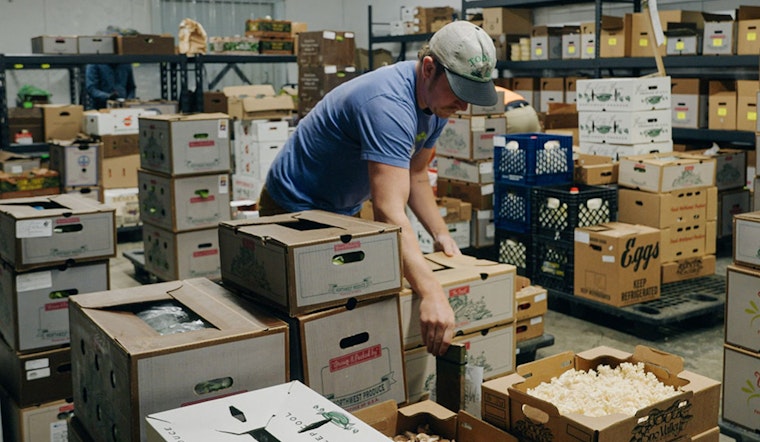
In a move to bolster local food systems after a substantial federal funding cut, King County has infused $755,000 into the hands of hunger relief organizations, farms, and food distribution networks, courtesy of a partnership with Harvest Against Hunger. These organizations, struggling to bridge the gap left by the withdrawal of federal dollars for a new community food hub, are now recipients of grants aimed at sprucing up their operational infrastructure.
The abrupt cancellation of federal support for the planned South Seattle Community Food Hub left a void, swiftly addressed by King County Executive Shannon Braddock who stated, "King County is stepping up to support trusted organizations that help our neighbors who are experiencing hunger.” The grant funding, supporting 22 fortunate beneficiaries out of over 60 applicants, is earmarked for critical purchases such as commercial refrigerators, freezers, and ovens. These tools are essential for the proper storage, processing, and preparation of fresh food intended for distribution among those in need.
One of the grant beneficiaries, Farmstand Local Foods, aims to substantially enhance its refrigeration and freezing capacities, a current bottleneck that limits its ability to stock and distribute regional produce. In comparison, El Centro de la Raza plans to use the funding to repair its walk-in cooler – a critical piece that will allow the food bank to offer an expanded selection of fresh produce and dairy to locals. Similarly, the Boys and Girls Club of King County is set to invest in new refrigeration and storage solutions that would bolster their food offerings for hundreds of families and youth annually.
Several other organizations, like Sound Generations and Tojo Commissary, laid out clear strategies for utilizing their grants. Sound Generations will focus on expanding their Community Dining program, serving affordable hot meals to seniors, while Tojo Commissary is investing in new electric ovens and necessary electrical upgrades that will enhance their ability to support small food businesses. Finally, the Rehoboth Christian Development Center is set to upgrade cold storage and food-handling areas to better cater to the culturally specific needs of immigrant, refugee, and underserved families.
As reported by King County Newsroom, these initiatives are part of the King County Local Food Initiative, a policy directive geared towards strengthening the local food economy and enhancing food access. David Bobanick, the Executive Director of Harvest Against Hunger, underscored the significance of these grants in "building a thriving local food system" and highlighted the importance of supporting community organizations in their mission to distribute "culturally relevant, nutritious food."





