

























































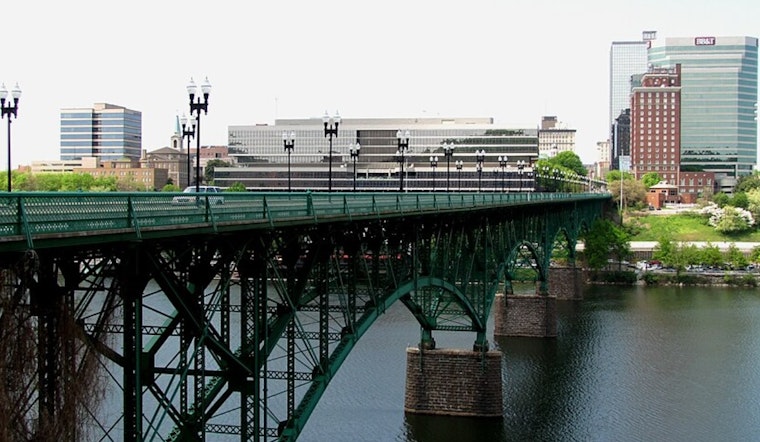
The Knoxville City Council has greenlit Mayor Indya Kincannon's request to pursue a federal grant to study the future of the historic Gay Street Bridge. The bridge, over a century old and showcasing signs of structural fatigue, has spurred concerns over its long-term viability. Engineering Director Tom Clabo highlighted the age and condition of the 127-year-old steel structure, which has been closed since last summer due to defects, explaining to WVLT News that "the steel is 127 years old, and it’s really fatigued."
The resolution, passed on Tuesday, will enable the city to apply for a $1 million grant from the Federal Highway Administration's Bridge Investment Program, which, along with a $200,000 local match from the city, aims to explore options for a new bridge that could handle motor vehicle traffic, as per a statement made by the City of Knoxville released on the same day and reported by WBIR. The bridge is currently undergoing structural repairs to stabilize it and is scheduled to reopen as a pedestrian thoroughfare by the end of this year. The extensive restoration efforts aim to ensure its short-term safety for pedestrians and cyclists alike. However, these maintenance efforts are a temporary measure; the city anticipates the need to pursue significant reconstruction or potential replacements in the future.
According to Clabo's statement to WVLT News, frequent inspections every three months are part of a meticulous monitoring plan designed to track the bridge’s aging process. "We will continue to see more fatigue and cracking. How long until more repairs are needed? The bridge will tell us." Apart from probing the bridge's potential longevity and a cost-benefit analysis of its replacement, the study will also measure anticipated traffic changes and the bridge size that may replace it.
Furthermore, Knoxville is opening the dialogue to integrate public opinion into decisions concerning the bridge's aesthetics and design, acknowledging its prominent role in the city's downtown landscape, with plans to alter the bridge entrance creating a small plaza with landscaping set to commence in October according to WBIR's report; the move represents a bridge both literal and figurative, from its storied past to a future hopefully anchored as firmly as the bridge itself in Knoxville’s living history, with the city acknowledging this significant structure's role in the city's heritage and the importance of its thoughtful evolution.





