

























































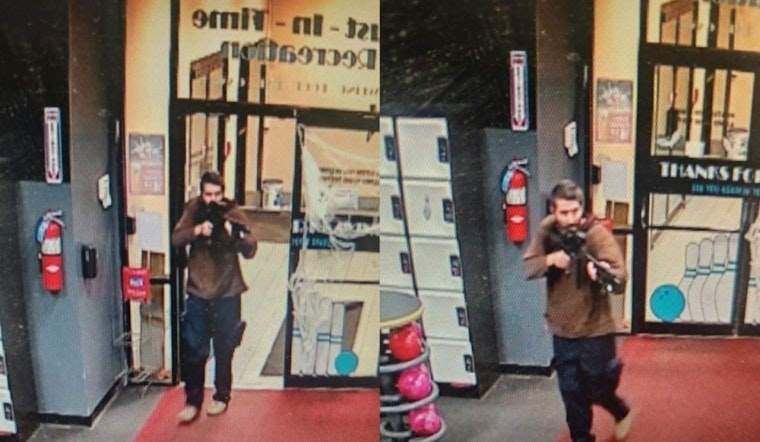
In a move to seek accountability after Maine's deadliest mass shooting, survivors and relatives of those killed are taking legal action against the U.S. Army, asserting negligence could have prevented the tragedy. On October 25, 2023, Robert Card, an Army Reserve Sergeant, took the lives of 18 individuals at a Lewiston bowling alley and bar, with 13 others wounded, as reported by Boston 25 News.
The survivors and families, represented by several law firms, including Berman & Simmons and Gideon Asen, filed a lawsuit arguing the Army missed multiple signs of Card's deteriorating mental health they are suing on behalf of over 100 people, as reported by Boston 25 News and echoed by CBS News. Despite being hospitalized and a directive to remove his personal weapons, Card retained access to guns, which he used during the fatal incident.
Further adding to the case's complexity, the Army acknowledged its shortcomings and disciplined three Army Reserve leaders for dereliction of duty but also alleges that the Army deceived local law enforcement, preventing them from taking potentially preventative measures. In a statement obtained by CBS News, attorney Benjamin Gideon of Gideon Asen expressed disappointment over the federal government's inaction in response to administrative demands, forcing families to seek justice through the courts.
In the wake of the catastrophic event, which left Card dead by suicide two days after his rampage Governor Janet Mills ensured the state’s dedication to finding justice for the victims, while the search for Card put communities on edge with extended shelter-in-place advisories before he was found, as stated in a Hoodline report. The lawsuit aims to recover damages for wrongful deaths, injuries, and emotional distress suffered by the survivors and victims' families.




