

























































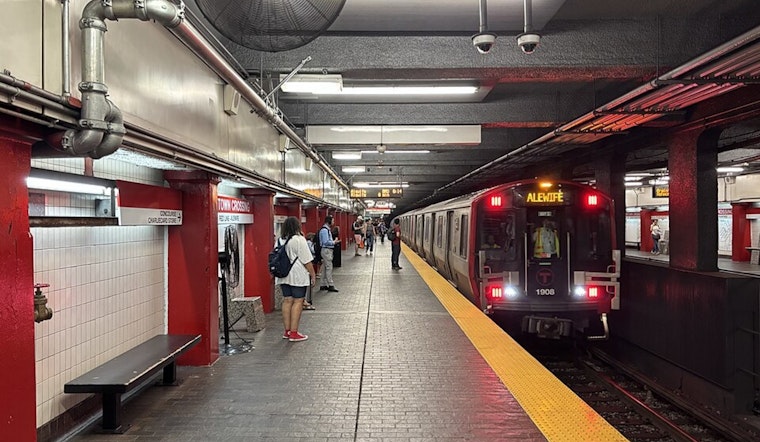
Starting today and rolling through to Sunday, agencies across the Bay State are dialing up the conversation on rail safety during the "See Tracks, Think Train" Week. In a coordinated effort, MassDOT, the MBTA, Keolis Commuter Services, and Massachusetts Operation Lifesaver are hosting events and leveraging social channels to push for heightened awareness around train tracks. Massachusetts Bay Transportation Authority's announcement underscores the week's focus on preventing accidents and reaching out to those who may be struggling with invisible burdens.
In a statement obtained by the Massachusetts Bay Transportation Authority, Transportation Secretary and CEO Monica Tibbits-Nutt said, "The safety of our employees, riders, and the public is our highest priority as we maintain and expand public transportation across the Commonwealth," indicating the need for constant vigilance and community care, especially near train tracks. MBTA General Manager and CEO Phillip Eng urged the importance of safety every day, not just during campaigns: "While 'See Track, Think Train' is a powerful annual campaign, safety needs to be on everyone’s mind every day of the year,” said Eng.
The week is packed with activities, from media outreach on day one to specific themes like Crossing Safety and Trespass Prevention later in the week. Educational outreach is front and center with Keolis joining the fray; GM and CEO John Killeen told the MBTA of their commitment to community awareness. According to MBTA Chief Operating Officer Ryan Coholan, the effort involves not just passengers but pedestrians and motorists as well, aiming to instill safe behavior around railroads.
Throughout the Greater Boston area, the initiative reminds us that commuter rail and subway trains are often quieter than expected and require significant distance to come to a halt, MBTA Chief Safety Officer Timothy P. Lesniak illustrated the persistent risk of rail-related incidents. Notwithstanding the educational tables set at South and North Stations during the week, employees are pushing safety messages via social media and station displays to build situational awareness and prevent injuries. For those looking to dive deeper or get involved with rail safety presentations, information can be found at oli.org, or by reaching out directly to MBTA Transit Police Officer and State Coordinator for Massachusetts Operation Lifesaver Dana DeLorenzo at [email protected].





,_July_2025.jpg)