

























































Minneapolis is pushing forward with a significant move to honor its African American history by nominating three local sites for inclusion on the National Register of Historic Places. This initiative comes at the conclusion of a comprehensive year-long study, aiming to recognize and preserve the legacy of critical community landmarks and leaders in the City of Lakes.
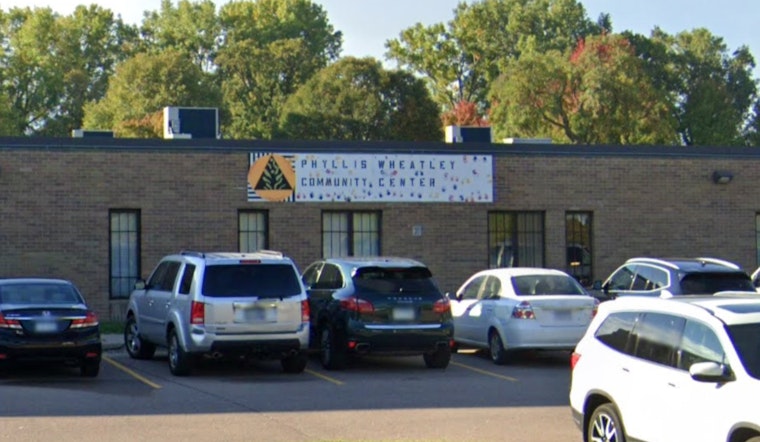
According to the official City of Minneapolis news release, the trio of sites highlighted include the Minnesota Spokesman-Recorder, the oldest Black-owned newspaper in Minnesota; the Phyllis Wheatley Community Center, which has been serving the North Minneapolis community with various programs for nearly a century; and the home of Harry Davis, Sr., a revered community leader and the city's first Black mayoral candidate. "These sites don’t just tell the story of Minneapolis—they are the story," Mayor Jacob Frey said, according to the City of Minneapolis news release, underscoring the importance of these places in shaping the city's social landscape.
Nomination to the National Register does more than just acknowledge historical significance—it also opens up possibilities for federal and state historic preservation grants and tax incentives. In an effort to finalize these nominations, Minneapolis plans to recruit third-party consultants to carry out meticulous research and interviews with the community's knowledge keepers. Further, a Multiple Property Documentation Form (MPDF) will be developed to facilitate additional future nominations. This multi-year project is funded by grants from the National Park Service and the Minnesota Historical Society’s Minnesota Arts and Cultural Heritage Fund.
Keith Dorsett and Melissa Kadlec, current homeowners of the Davis residence, expressed their pride in the historical acknowledgment. "This house – and Mr. Davis – will have a cemented place in Minneapolis history," they told the City of Minneapolis in a statement. The nomination was also warmly received by Tracey Williams-Dillard, CEO and publisher of the MSR. She conveyed her honor at the prospect of the newspaper's role in advancing African American narratives, gaining national prominence. As reported by the City of Minneapolis, the Phyllis Wheatley Community Center expressed gratitude through interim executive director Valerie Stevenson, who said, "This nomination is not only a recognition of our rich history, but also a testament to the resilience and impact of the community we serve."
The process leading up to these nominations involved contributions from the African American Heritage Work Group, comprising 15 city-appointed community members who advised on the 223-page African American Historic and Cultural Context Study. Surveying the arc of African American contributions to Minneapolis from around 1800 to the present time, the study is an extensive compilation of compelling local stories of home, faith, civil rights, and community resilience. "There are so many remarkable stories in this study," said Erin Que, senior city planner, according to the City of Minneapolis, affirming the depth and impact of the narratives gathered. The City encourages public engagement and learning by making the study accessible on their website, along with options to sign up for email updates on the project’s progress.





