

























































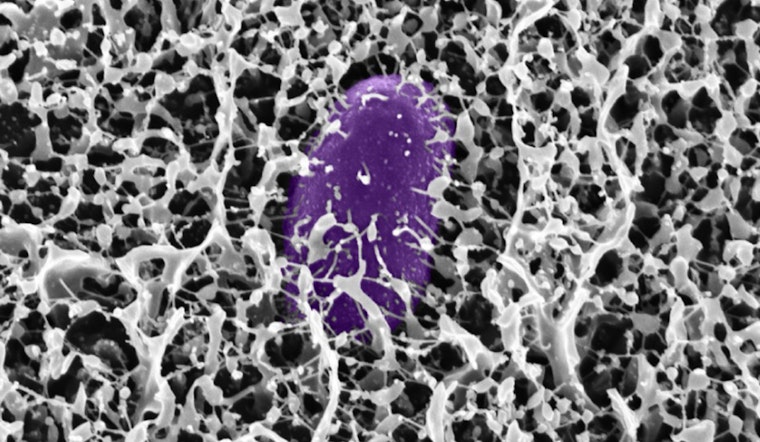
Emerging research from MIT has identified a potentially game-changing ally in the fight against gastrointestinal infections such as Salmonella—none other than the mucus that lines our digestive tract which we often dismiss as merely a sticky nuisance. The study, led by MIT's Professor Katharina Ribbeck, reveals that mucus boasts a plethora of molecules known as mucins that are adept at thwarting microbes and preventing infections. The findings, published recently in the journal Cell Reports, suggest that these mucins, particularly MUC2 found in the intestines, have the ability to deactivate key genes that Salmonella uses to infect host cells.
According to MIT researchers, MUC2 targets a bacterial protein called HilD which is crucial for activating the T3SS genes necessary for Salmonella to invade cells and what's more fascinating is that similar mucins, like MUC5AC present in the stomach, also have the capacity to block these virulence genes in other foodborne pathogens relying on HilD as a gene regulator. MIT Research Scientist Kelsey Wheeler PhD ’21, one of the lead authors of the study, has underscored the potential of these findings—Ribbeck's team envisions using synthetic mucins as a form of defense, increasing the body's natural protections against invading gastrointestinal pathogens which could lead to substantial savings in healthcare expenses and counter the billions lost annually due to diseases like traveler's diarrhea. These synthesized mucins could be integrated into oral rehydration salts to treat dehydration caused by diarrhea, or transformed into chewable tablets as a preventive measure before exposure to high-risk areas.
Notably, the potential applications for synthetic mucins span from bolstering mucus barriers in sensitive areas of the GI tract to developing efficient preventatives that mimic the natural role of mucus in the immune system. "Mucin mimics would particularly shine as preventatives, because that’s how the body evolved mucus — as part of this innate immune system to prevent infection," Wheeler told MIT News. The research, which is supported by a mix of military and public health funding sources including the U.S. Army Research Office, the U.S. National Science Foundation, and the U.S. National Institutes of Health, could significantly advance our approach to preventing and treating gastrointestinal illnesses.
The implications of this study are particularly significant for individuals in environments with heightened risk of Salmonella exposure—such as soldiers in the field, or international travelers—and the approach also holds promise for improving global health outcomes among populations suffering from waterborne illnesses.




